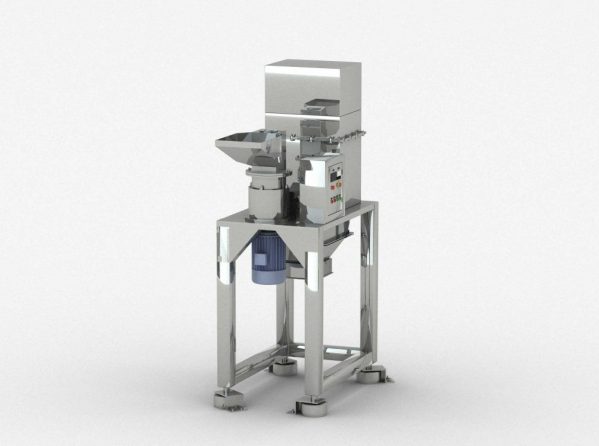
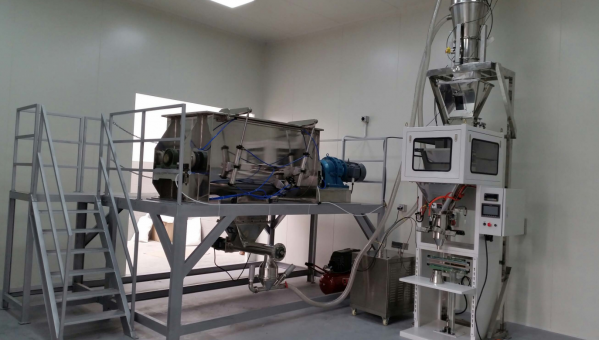
A full range of GMP-standard processing machinery for food, pharmaceutical and chemical manufacturers — from coarse grinding and fine milling through to mixing, granulating, drying and conveying. Browse by category below or download the full catalogue.

Grinders, crushers, and other types of milling machinery

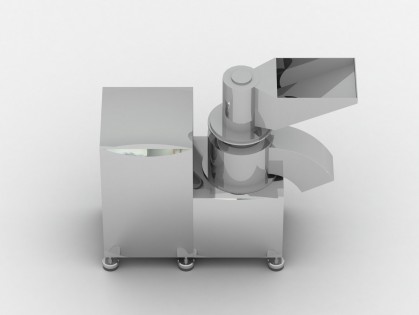
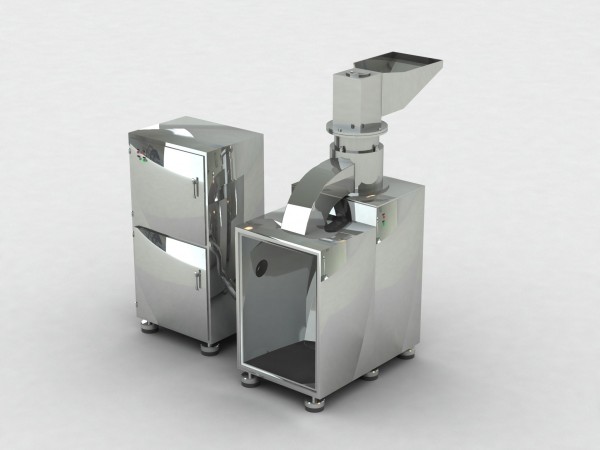
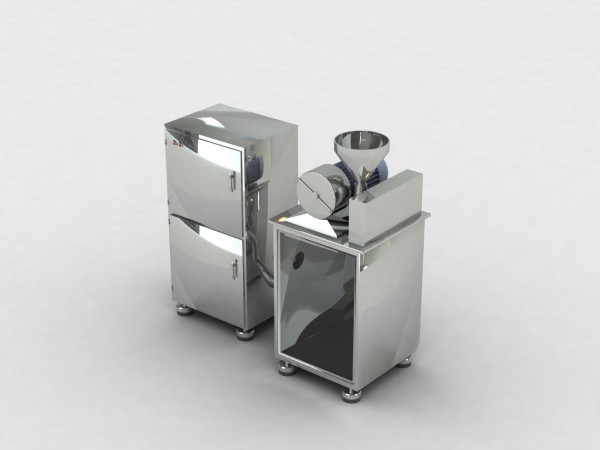
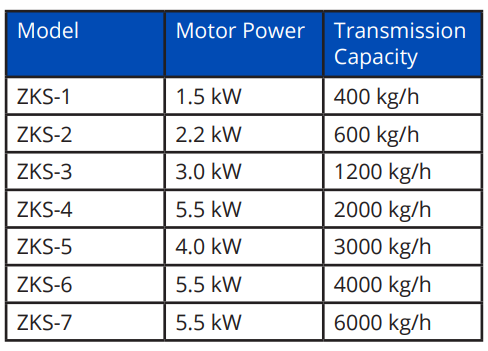
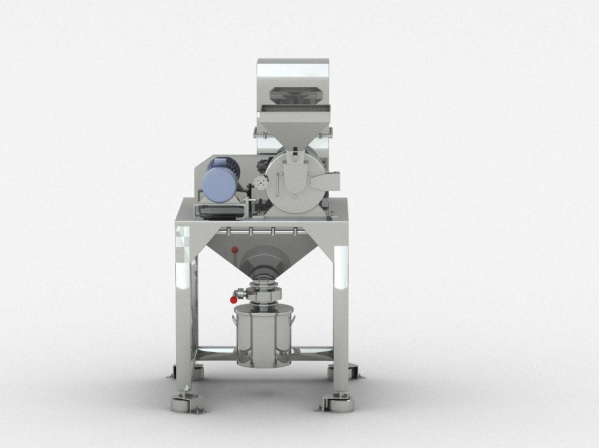
Universal Coarse Grinder

Coarse grinder set nz

Versatile Coarse grinder nz

Application: Coarse grinding of a wide range of materials for pharmaceutical, chemical, and food applications, including viscous, hard, soft, and high-fibre materials. Suited to sizing applications.

Operating Principle: Size reduction is achieved through a combination of cutting and impact from rotating and fixed knives. Available in stainless steel or carbon steel construction.

Universal Coarse grinder specifications nz


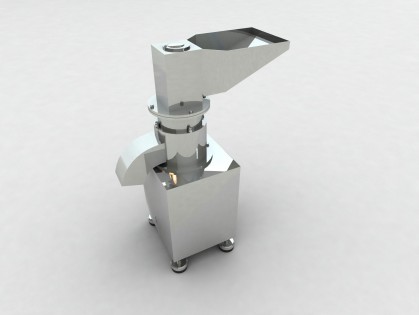
Universal Coarse Crusher

Crushing Machine nz

Application: Used as supporting equipment ahead of the fine-crushing process in the pharmaceutical, chemical, and food industries. It crushes effectively regardless of a material's viscosity, hardness, softness, or fibre content.

Operating Principle: Built from stainless steel to GMP standards, the machine feeds material into the crushing chamber via a hopper, where it is crushed by fixed and moving knives working together. Centrifugal force from the rotor then carries the material to the outlet automatically. High output, low noise, and easy cleaning make this one of the best-regarded coarse crushers on the market.


Screenshot_2021-04-28_113605.png


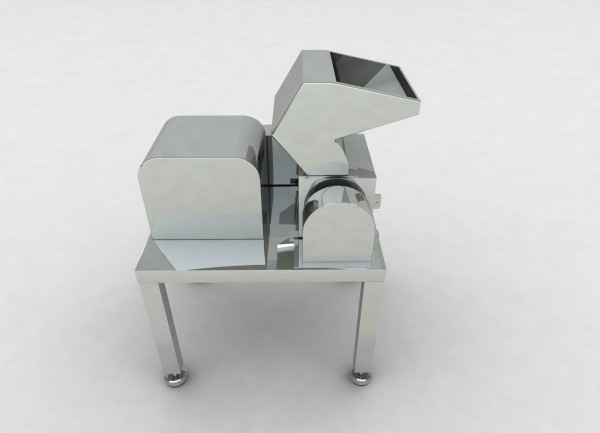
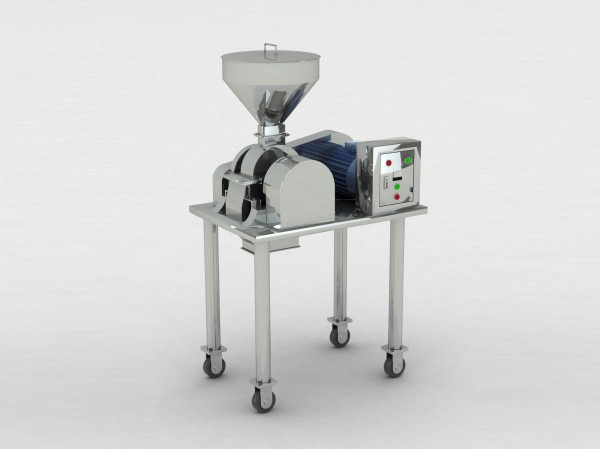
Horizontal Coarse Grinder

Industrial Grinding Machine nz

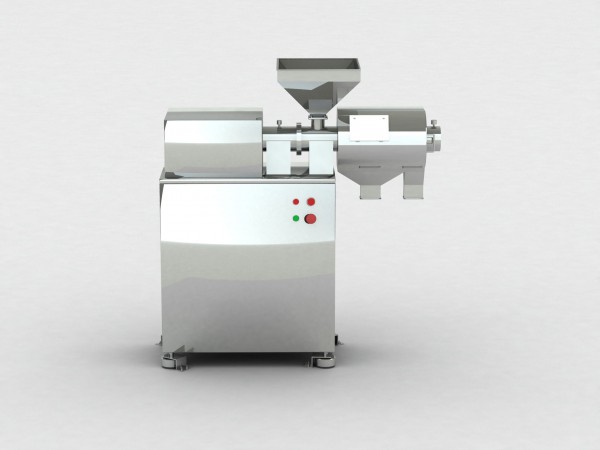
Application: Ideal as a pre-processing step before fine milling in the pharmaceutical, chemical, and food industries. Handles a wide range of materials regardless of viscosity, hardness, softness, or fibre content.

Operating Principle: In this horizontally structured grinder, material is fed into the upper chamber through a hopper, then cut and struck by fixed and rotating knives before flowing out under gravity and centrifugal force. Built to GMP standards in stainless steel, it has a simple structure, is easy to clean, and runs quietly — ideal for coarse milling and sizing.


Screenshot_103.png


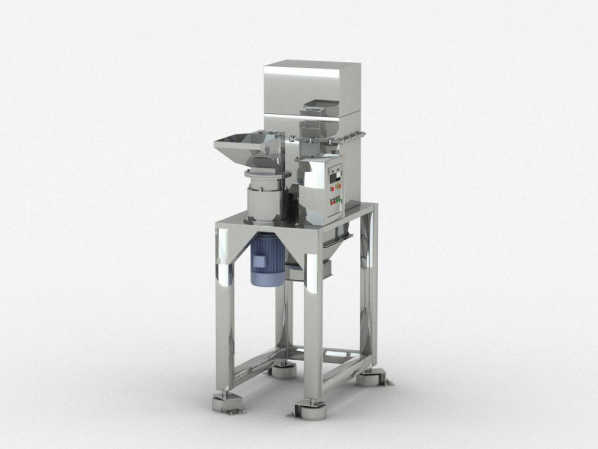
Vertical Coarse Grinding Unit with Dust Collection SystemIndustrial grinding machine with dust filter collector nz

Application: Used as a pre-grinder before fine milling in the pharmaceutical, chemical, and food industries. This new-generation mill combines grinding and material collection in a single unit.

Operating Principle: In this vertically structured mill, material is fed into the main chamber through a hopper, where fixed and moving knives cut it and a rotating knife delivers impact for size reduction. Centrifugal force automatically collects the milled material, while dust is filtered and recovered by a dust collector. Built to GMP standards in stainless steel.


Screenshot_104.png


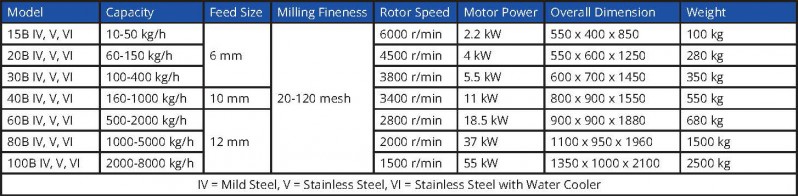
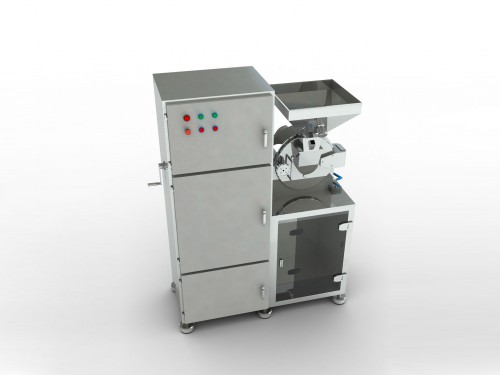
Energy Efficient Fine Impact MillFine grinding mill nz

Energy Efficient Fine Impact MillFine grinding mill nz

Application: Designed for ultra-fine particle size reduction and widely used in the pharmaceutical, food, and chemical industries.

Features: Simple in structure and easy to assemble and clean. The milling chamber and all material-contact parts are stainless steel, making this machine both acid and corrosion resistant. The machine runs smoothly, is easy to clean, and energy efficient.

Operating Principle: A high-speed milling unit that reduces material using blades with a sharp cutting edge on one side and an impact edge on the other. Blades of different sizes and shapes suit different materials, and particle size can be adjusted by changing the screen or the rotor speed.

Screenshot_110.png


Fine Milling Unit with Dust Collection SystemFine grinding mill with dust collection unit nz

Application: Used in the pharmaceutical, chemical, and food industries. This new-generation design combines fine milling with dust collection.

Operating Principle: A high-speed hammer mill. A conveyor feeds material into the milling chamber through a hopper, where high-speed rotating hammers reduce it. Centrifugal force carries the milled material into the filter automatically, and dust is filtered and recovered by a dust collector built to GMP standards.


Screenshot_112.png


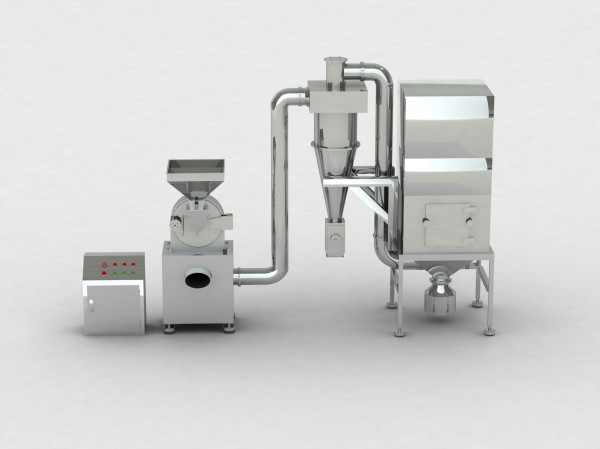
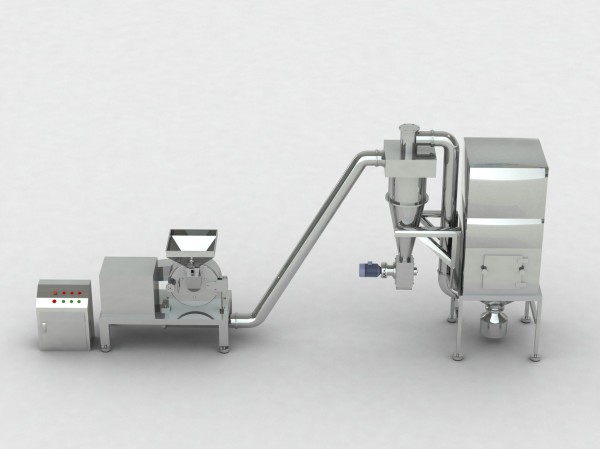
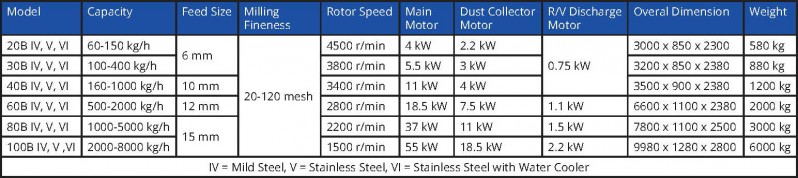
Fine Milling Unit with Cyclonic Dust Filtration System

fine grinding mill nz with cyclone dust filtration

Application: Widely used in the pharmaceutical, chemical, food, and magnetic-material/powder industries. This new-generation design combines milling, filtration, and continuous discharge into a receiving station.

Operating Principle: The machine consists of a mill, a cyclone separator, a pulse cleaner, and a pneumatic fan. Material is fed into the chamber through a hopper and reduced by high-speed rotating hammers. An induced fan and centrifugal force carry the finished material into the cyclone separator, where it is discharged through a rotary valve. Fine dust passes to the pulse dust collector for filtering, and the cleaned air is recycled through filter socks. Particle size is adjustable via the screen. Built to GMP standards in stainless steel throughout, meeting hygienic processing requirements.


Screenshot_113.png


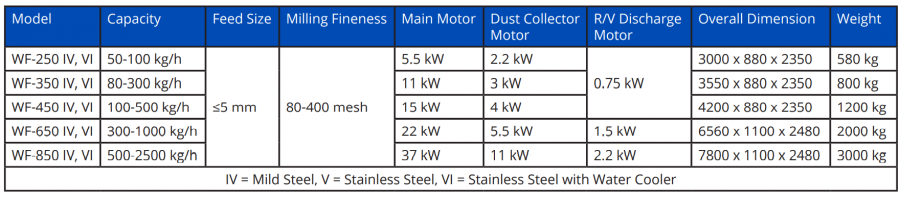
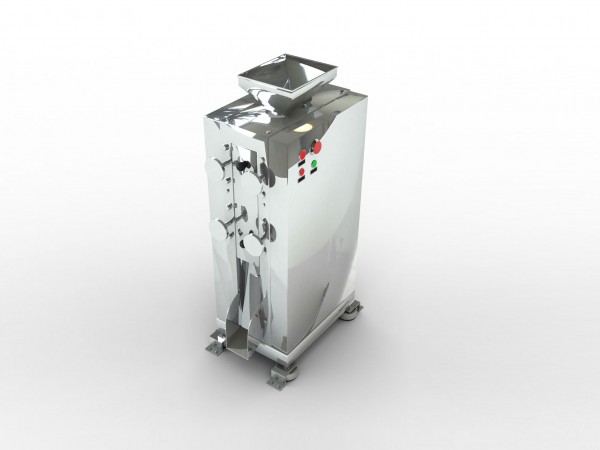
Stainless Steel Roller Mill
 

Stainless steel roller mill nz

Application: Mainly used to grind oil-bearing materials such as sesame seed, peanut, and almond, and for sizing applications requiring an even final particle size.

Operating Principle: Raw material is fed into the top roller area from a hopper, where it is milled into powder or sized between the rollers. Final particle size is adjusted by changing the gap between the rollers. The machine is reliable, simple to operate, quiet, and high-capacity — the best option for oily materials. Different roll flutings are available to suit different milling applications.


Industrial roller mill nz


Versatile fine grinding mill nz

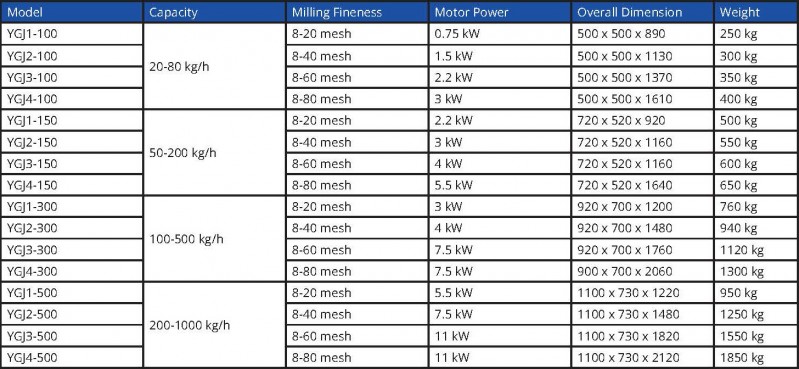
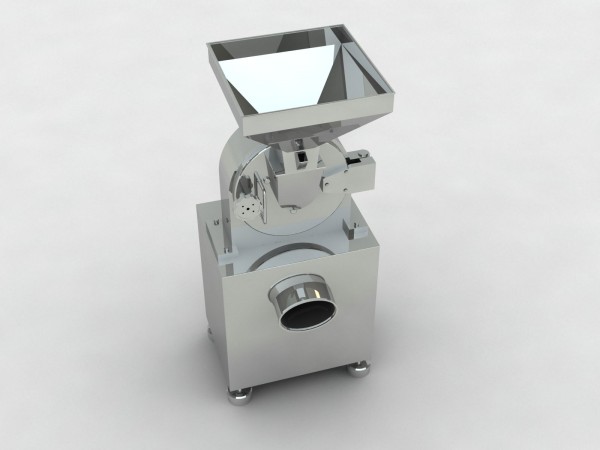
Universal Impact Mill

Application: Designed for milling in a wide range of applications, including pharmaceutical, chemical, and food processing.

Operating Principle: Particle size reduction occurs through impact and friction between rotating and fixed fluted discs. Built to GMP standards in stainless steel, with a simple structure, high output, and easy cleaning. This universal mill suits a wide range of material types.


Stainless steel fine grinding mill nz


Universal Impact Mill with Dust Filtration System

Stainless Steel fine grinding mill with dust collection nz

Application: Widely used in the pharmaceutical, chemical, and food industries. This new-generation design combines milling and dust collection in one unit.

Operating Principle: Material is milled by impact and friction as it passes between moving and fixed fluted discs. Centrifugal force carries the milled material automatically into the receiving hopper, while dust is filtered and recovered by a dust collector. Built to GMP standards in stainless steel, this mill produces no dust emissions during operation.


Food grade grinding mill with dust collection nz 


Universal Impact Mill with Cyclonic Dust Collection System

B series cyclone combination pulse filter impact mill nz

Application: Used in the pharmaceutical, chemical, food, and magnetic-material/powder industries. This new-generation design combines pneumatic collection with continuous discharge of the finished product.

Operating Principle: The machine consists of a receiving cyclone separator, a pulse filter collector, and a pneumatic conveying fan. Material is reduced by impact and friction between moving and fixed fluted discs, then flows into the cyclone separator, with bulk material discharging through a rotary valve. Particle size is adjustable via the screen aperture. Built to GMP standards in stainless steel, the installation produces no dust emissions and suits ultra-high-hygiene milling applications.


b series cyclone combination pulse filter impact mill nz


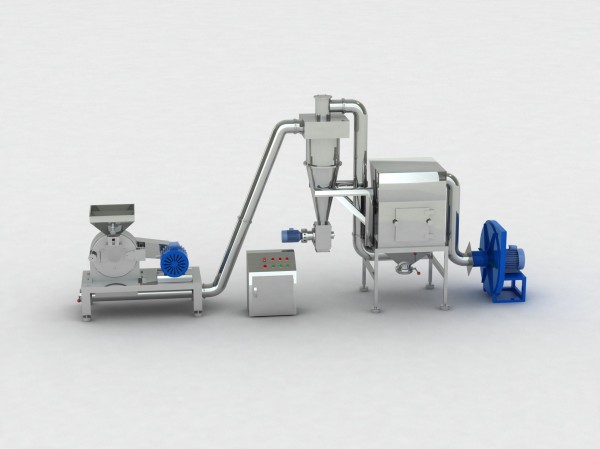
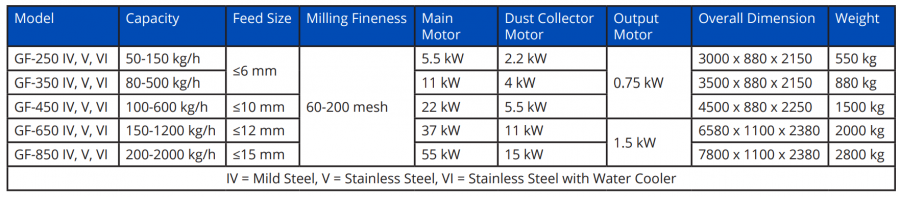
High Fiber Milling Unit with Conveyor and Cyclone Dust Collector Grain Spice Medicinal Dried Herbal Leaves Dried Vegetable Uria GF filter collector milling unit nz

Application: Suited to the pharmaceutical, food, chemical, and related industries, and specially designed for high-fibre and high-oil-content materials.

Operating Principle: The unit consists of a main mill, cyclone separator, pulse dust collector, and pneumatic conveying system. Material is fed into the chamber through a hopper and milled by high-speed rotating hammers, with particle size adjustable via the screen aperture. An induced fan and centrifugal force carry the milled material into the cyclone separator, where it is discharged through a blower. Dust passes to the pulse dust collector, where the air is filtered and recycled. Built to GMP standards in stainless steel throughout, with no dust emissions.


Screenshot_115.png


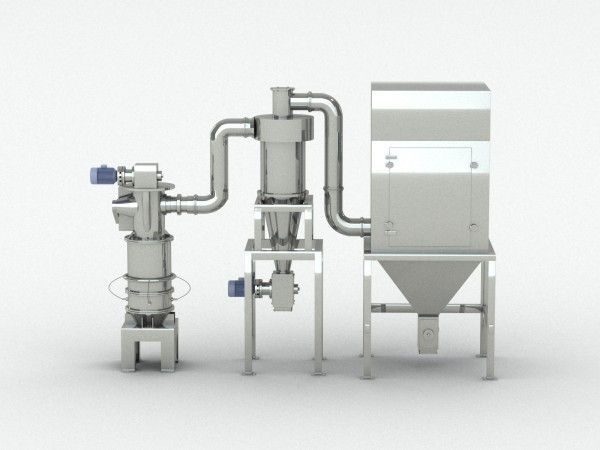
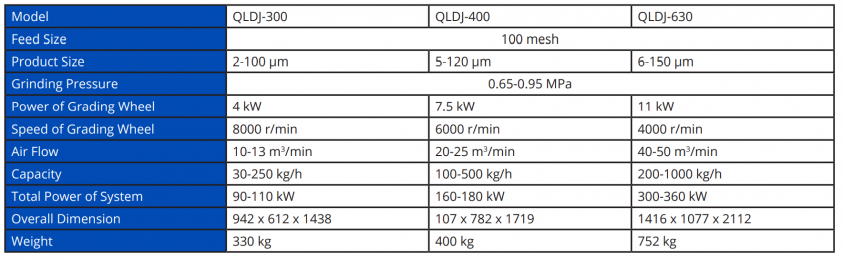
Fine Grinding Fluidised Jet MillFluidised jet mill nz

Application: The QLDJ Series Fluidised Jet Mill is the largest super-fine fluidised milling machine of its type, combining manifold nozzle-tube technology, fluidised-bed technology, and horizontal grading technology in one integrated unit — representing the current state of the art in jet milling. The super-fine powder it produces is widely used in the pharmaceutical, chemical, mining/energy, electronics, pesticide, plastics, paper, pigment, paint, dyestuff, food, and cosmetics industries. It can also grind high-purity materials such as polymers, advanced electromagnetic and magnetic materials, semiconductor materials, fine chemicals, catalysts, reagents, and activators.

Operating Principle: The mill consists of an air supply unit, a grinding unit, and a powder grading and collecting system. Compressed air from the supply unit mixes with particles from the feed unit inside the grinding chamber, forming a solid-air flow. Supersonic airflow from the ejectors causes particles to collide and break down. Once particles reach the required fineness, the grading unit at the top releases them for collection and packing.

Features: High flow rate, high grading efficiency, low energy consumption, minimal material waste, and the ability to grind very hard materials. Powder fineness is easy to adjust, the chamber is fully sealed, and the machine can handle heat-sensitive materials with stable, reliable operation.


Screenshot_120.png


Industrial Fruit and Vegetable BlenderIndustrial Large fruit vegetable blender nz 

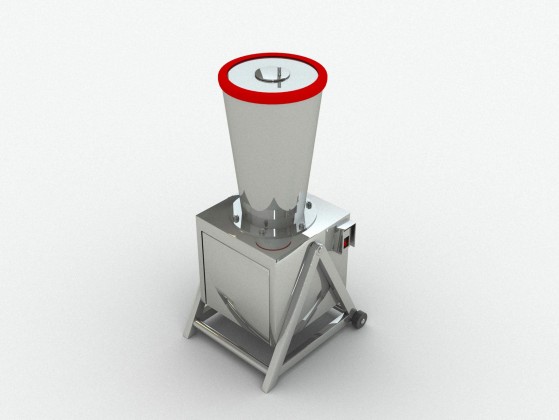
Application: Suited to fruit and vegetable processing in restaurants, canteens, and food factories. The machine slices fresh produce — garlic, ginger, vegetables, fresh chili, and fruit — into mashed or reduced-particle form.

Operating Principle: The machine consists of a material barrel, cutting knives, sealing assembly, frame, motor, and drive shaft. The motor sits above the barrel, with the drive shaft running directly inside it. Two blades, mounted in an X formation at the top of the shaft, eliminate dead angles and improve efficiency. The blades are heat-treated stainless steel for long life and sharpness, and the seal between the drive shaft and barrel is silicone rubber. All parts are food-grade stainless steel, and operation is simple.


Screenshot_122.png


Screeners

Fine Vibratory Screener

Grain vibrating screener

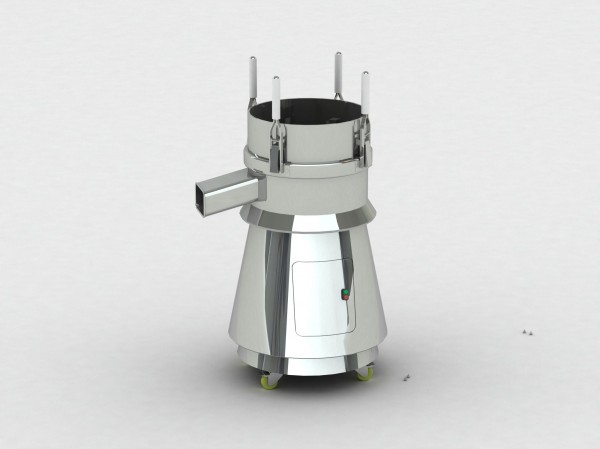
Application: Designed to screen powders and granules in the pharmaceutical, chemical, food, agricultural, and related industries.

Operating Principle: The machine consists of an inlet hopper, vibrating drive, screen frame assembly, coupling, and motor. The vibrating screen frame is fitted to the motor's spindle and bearing. As an eccentric weight is driven around the spindle's centreline, it generates centrifugal force under an unbalanced load, causing material to form regular eddies on the screen. Weight amplitude can be adjusted for different materials and screens. Compact structure, high productivity, low noise, low energy consumption, and easy operation and maintenance.


Screenshot_124.png


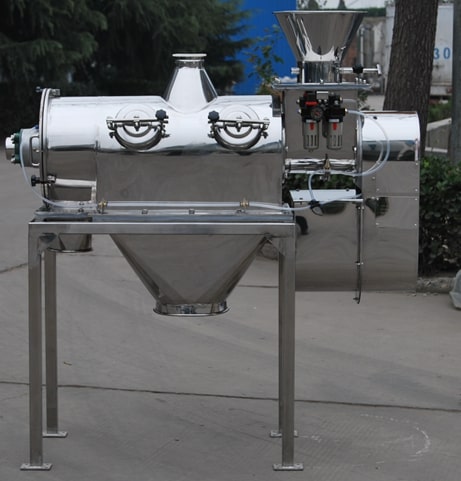
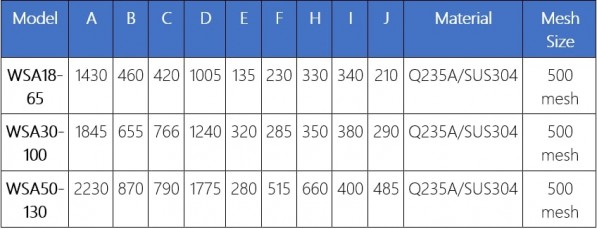
Centrifugal ScreenerCentrifugal screener nz

Application: An ideal screening machine for the pharmaceutical, chemical, and food industries, particularly effective for high-fibre, high-viscosity, high-humidity, electrostatic, and sticky products.

Operating Principle: A metering feed screw conveys material into the screening zone, where centrifugal action passes fine material through the screen aperture while coarser material passes over the tail end.


Screenshot_126.png


Bag Tip Station / Sack Tip Station

bulk bag sack tipping station nz

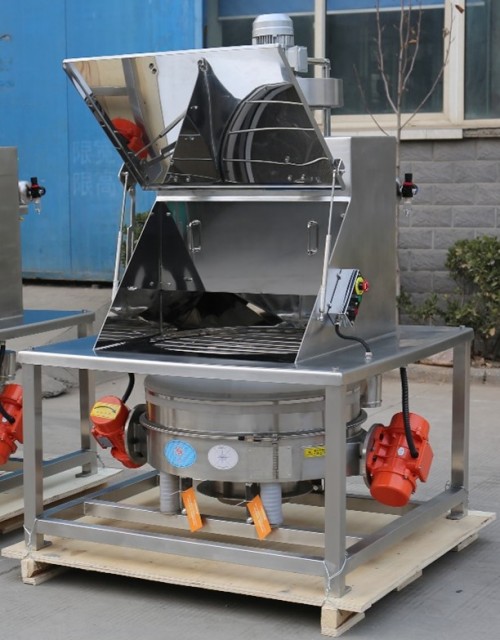
Operating Principle: Bags/sacks are untied manually and their contents poured into the system. Dust generated during feeding is captured by a collector, and a vibrating screen filters out bulk material and foreign objects, ensuring the finished material meets the requirements for the next process.

Features:

  • Easy to clean: An adjustable gate and automatic discharge of foreign objects make the station easy to clean, and it meets GMP standards. Filter elements in each row can be back-flushed and removed with one click.
  • Environmentally friendly: A seamless fit between the filter element and silo prevents fine dust from escaping, avoiding pollution and material waste. The feeding platform runs under negative pressure, keeping the process dust-free with no material loss.
  • Safe operation: A physical anti-shedding device and mechanically sound design ensure safe, worry-free production.
  • Production line flexibility: Can be connected to either a positive- or negative-pressure system to match the production line.


Screenshot_2022-09-16_112459.jpg


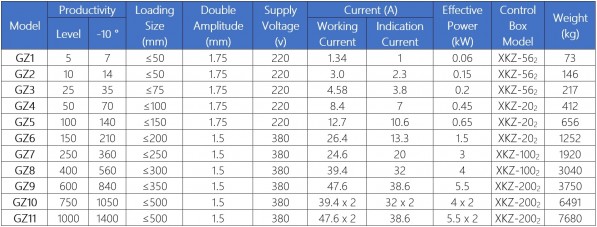
Electromagnetic Vibratory Feeder

Operating Principle: An electromagnetic vibrator drives the feed trough to reciprocate periodically along an inclined path. When the vertical component of this vibration exceeds gravitational acceleration, material in the trough is thrown forward along a parabolic path, completing each throw-and-fall cycle in about 1/5 of a second. At roughly 3,000 vibrations per minute, this produces a continuous, even forward flow of material.

The feeder is a dual-mass, elastically coupled vibrating system that operates near its low critical resonance point. The vibrator drives the trough — which rests on the main vibration spring — via an armature connected to that spring, with a coil wound around the iron core. As half-wave rectified current flows through the coil, it generates a pulsating electromagnetic force. During the positive half-cycle, this force pulls the trough backward, storing energy in the main spring; during the negative half-cycle, the current (and force) drops away, and the spring returns the trough forward. This cycle, repeating at line frequency, produces continuous reciprocating vibration.

Features:

  • Compact, lightweight, and simple to install; no rotating parts, so no lubrication is needed, and maintenance is easy
  • Uses mechanical resonance for low power consumption
  • Instantaneous flow control gives high feed accuracy
  • Supports centralised and automatic process control
  • Low wear on the trough
  • Alloy steel construction suits high-temperature, abrasive, and corrosive materials
  • Not suitable for explosion-proof applications
 

Screenshot_2022-09-16_111751.jpg


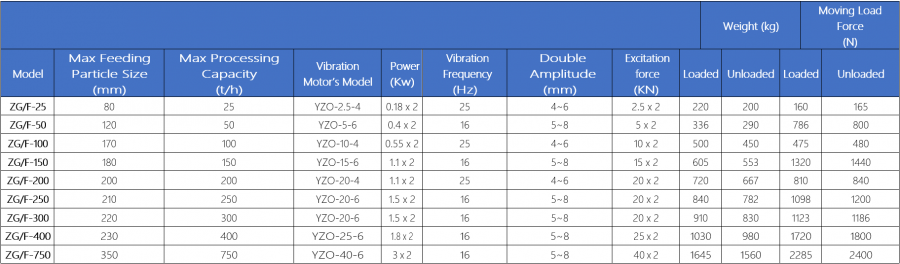
Linear Vibratory Feeder

Vibration Vibratory Feeder NZ

Operating Principle

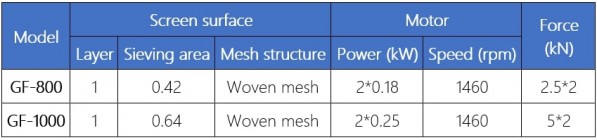
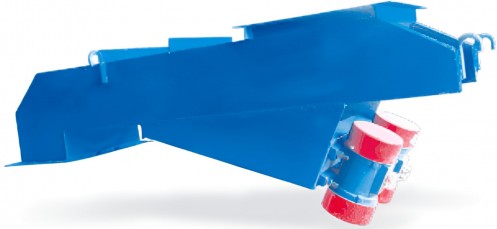
A dedicated vibrating motor drives the feed trough in a periodic linear reciprocating motion along an inclined path. When the vertical component of the trough's vibration exceeds gravitational acceleration, material is thrown forward along a parabolic path, with each throw-and-fall cycle completing in about 1/50 of a second. Continuous excitation from the motor keeps the trough — and the material within it — moving forward steadily.


Features:

  • Compact, lightweight, simple to install, and low-maintenance
  • Self-synchronising vibration motor gives stable operation, quick starts, and balanced stopping
  • Parabolic material flow means low trough wear
  • Instantaneous flow control gives high feed accuracy

Additional Info: Compared with electromagnetic and reciprocating feeders, this design is simpler, sturdier, and longer-lasting, with continuous even feeding and low trough wear. It is available in open or enclosed configurations, with the motor mounted on top, bottom, or side depending on installation needs. Key characteristics include stable vibration, low cost, low maintenance, an adjustable excitation force for controllable flow, and low noise from the vibration motor itself. The structure is simple and reliable, adjustment and installation are straightforward, and the unit is lightweight and compact. Enclosed covers are used throughout to prevent dust pollution.
 

Screenshot_2022-09-16_114028.png


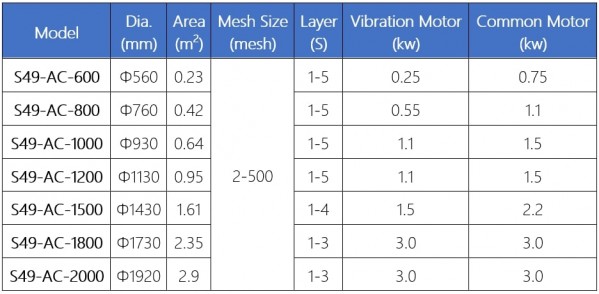
Rotary Vibrating Screener

Rotary Vibrating Screener NZ

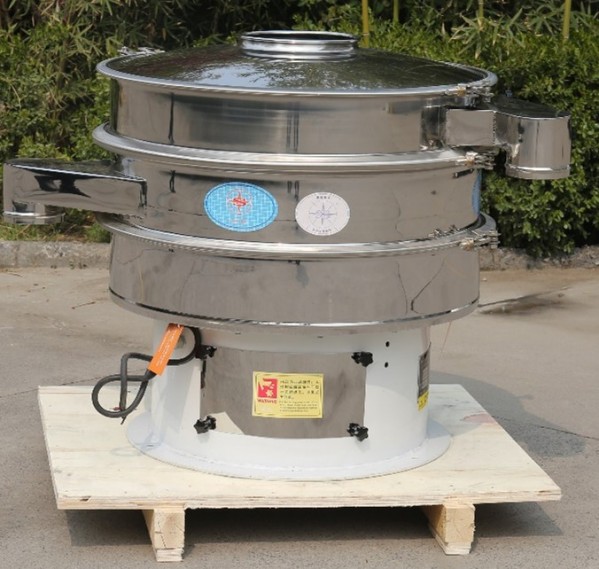
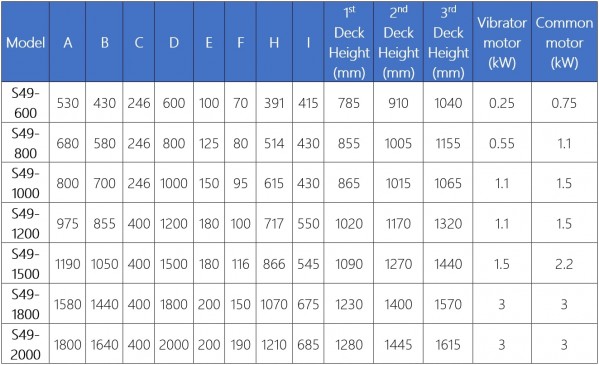
Operating Principle: The S49-A series rotary vibrating screen is designed for precise grading of wet and dry materials into up to five fractions in a single operation. It is quiet, efficient, and fully enclosed, with screens that can be changed in just 3–5 minutes. Suitable for granules, powders, and liquids.

Features:

  • Long screen life: The mesh frame design prevents the rubber ball from striking the sub-net directly, extending mesh life, and mesh changes take only 3–5 minutes
  • Labour-saving: Two people can complete a screen change
  • Handles a wide range of particles, powders, and mucus-type materials
  • Minimum sieving down to 1,000 mesh (0.002 mm); minimum filtering to 2 microns
  • Supports graded screening across one to five layers, sorting or filtering at two to six levels simultaneously
  • Efficient, durable, and easy to operate, change, and clean
  • Automatically discharges impurities and coarse material for continuous operation


Screenshot_2022-09-16_111642.jpg


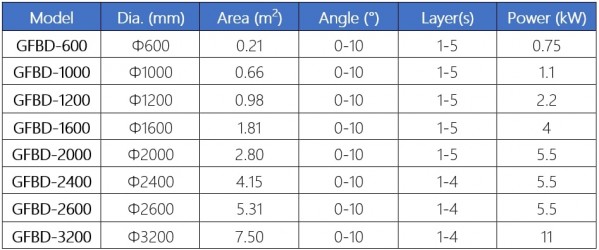
Tumbler Screener


Flat Deck Tumble Screener nz

  • Maximised efficiency: Smooth, low-speed acceleration keeps material rolling continuously across the screen surface, particularly effective for dry, low-density particles
    Accurate coarse/fine grading: Material fed from the centre spreads outward along a helical path; as vertical acceleration increases, fine particles are pushed through the screen
  • Gentler on fragile materials: Reproduces the gentleness of hand screening, reducing particle damage across a range of applications
  • Fast, low-cost maintenance: Disassembly and reassembly take about 15 minutes, and the machine can run continuously 24/7; major wear parts are the screens, seals, rubber balls, and brushes
  • Low noise, low energy use: A simple modular design and low operating speed keep noise between 60–70 dB
  •  

    Operating Principle: This screener mimics hand-screening motion using low-frequency rotary vibration. Radial displacement combines with axial circular motion to produce a spiral (helical) movement, with eccentricity adjustable to fine-tune the motion. This non-linear, three-dimensional movement replicates the effect of manual screening, and — paired with the right screening accessories — delivers more precise results. It suits round, cylindrical, flaky, and other shapes prone to blocking, as well as precision screening applications.

    Features:

    • High-yield screening: Available with up to five decks and diameters from 600 mm to 2,600 mm; for single-grade products, this design can double throughput or more within the same footprint


    Screenshot_2022-09-16_111930.jpg


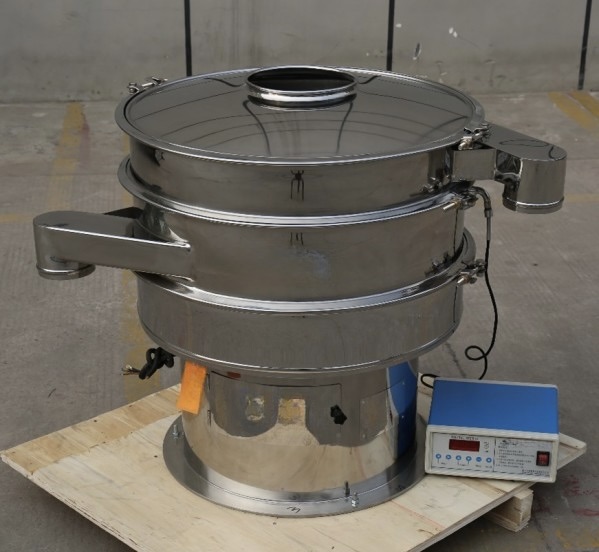
    Ultrasonic Vibratory Sifter

    logoremover_1785999234781.jpeg

    Operating Principle: The system converts 220V/50Hz or 110V/60Hz power into 36 kHz high-frequency electricity, which drives an ultrasonic transducer to produce 36 kHz mechanical vibration in the screen. This high-frequency vibration, layered on top of the screen's normal low-frequency motion, prevents mesh clogging while improving both output and screening quality — making it easy to sieve ultra-fine powders. By adding a low-amplitude, high-frequency ultrasonic wave to a conventional vibrating screen, the system significantly improves performance when screening ultra-fine particles, and is especially suited to high-value fine-particle applications.

  • Ultra-fine powder screening: Effectively handles materials that are strongly adsorptive, adhesive, sticky, highly static, or high-density
  • High precision: Screening accuracy improves by more than 80%, with capacity increasing 2–5 times
  • No material loss: Eliminates the pollution and wear typical of conventional screening, while significantly reducing noise
  • Stable and precise: Maintains consistent mesh size and screening accuracy, reducing the need for repeat screening
  • No mesh clogging: Converting standard power into 36 kHz mechanical vibration keeps the mesh clean, making ultra-fine powder screening straightforward

  • Screenshot_2022-09-16_112052.jpg


    Centrifugal Sifter

    Centrifugal sifter nz


    Operating Principle: A cylindrical mesh sits inside the machine body. Material mixes with an air stream via a screw conveyor and is atomised into the screen cylinder. Rotating blades inside the cylinder subject the material to both centrifugal force and cyclone propulsion, spraying it across the mesh — particles smaller than the mesh openings pass through and exit via the fine-material outlet, while larger particles travel along the tube wall to the coarse-material outlet.

    Features:

    • Long mesh life: While mesh quality matters most, equipment structure, concentricity, and the screen cage's manufacturing precision all directly affect mesh lifespan
    • Precision-machined components: Key parts undergo multiple precision machining steps to extend mesh life and boost output
    • Suited to ultra-light materials: The design particularly favours screening ultra-light, fibrous materials
    • Easy to clean: Convenient cleaning supports frequent small-batch changeovers, avoiding cross-contamination
    • Compatible with air systems: Withstands up to 0.1 MPa, making it suitable for flour and other materials in positive-pressure systems, with high screening output


    Screenshot_2022-09-16_112705.jpg


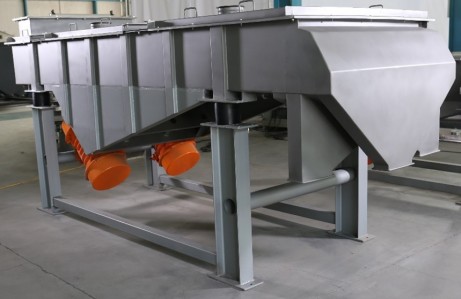
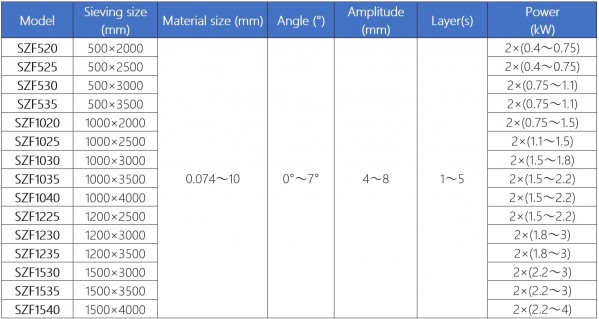
    Linear Vibrating Sieve

    Horizontal Industrial Vibrating Sieve nz


  • Environmentally friendly: A fully sealed structure safely manages dust across continuous 24-hour operation
  • High capacity, low energy use: Large throughput from a simple, low-maintenance design
  • Purpose-built mesh mounting: A dedicated mesh installation design prevents cross-contamination between material
  • Operating Principle: Two vibrating motors, mounted vertically on the screen body and working against each other, generate a rated exciting force via eccentric blocks at each end. Because the motors operate in relative opposition, lateral vibration forces cancel out, while longitudinal vibration is transmitted through the screen box, causing the screen surface to vibrate and bounce material toward the outlet. Material smaller than the mesh openings falls through before reaching the outlet. This screening process yields several distinct particle-size fractions in a single pass.

    Features:

    • Multi-stage control: A multi-layer screen produces several material sizes at once, each discharging from its own outlet


    Screenshot_2022-09-16_111727.jpg


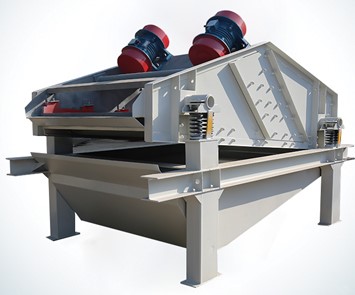
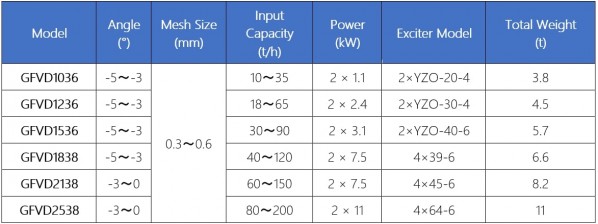
    Dewatering Screener

    Dewatering Screener nz

    Operating Principle: This screen uses dual-motor self-synchronising technology with a universal eccentric block and adjustable-amplitude vibrator. It's built around a screen box, exciter, support system, and motor, with two independent vibrators driven via belt coupling to run in synchronised opposition. The centrifugal force from the two eccentric masses combines along the vibration axis while cancelling out laterally, producing a single directional vibrating force that drives the screen box in a reciprocating linear motion.

    Also known as a high-frequency dewatering screen, it uses this exciting force to break the surface tension of the slurry's water, allowing water to pass through the screen (as undersize material) while fine solids are retained and vibrated forward as a filtered layer for discharge. It is mainly used for precision dewatering in mineral processing, coal slurry dehydration, washed quartz sand dewatering, ceramic slurry dehydration, and for dewatering, classification, and desliming of medium and fine granular materials in the power, sugar, and salt industries.

    Features:

    • Waterproof motor: A dedicated waterproof motor with dual-motor self-synchronising drive delivers efficient dewatering
    • Lower investment cost: Compared with traditional processes, this dry-line dewatering method needs less investment, a simpler process, and a smaller footprint, simplifying system layout
    • Continuous operation: Purpose-tuned frequency, amplitude, and power support 24-hour continuous dewatering
    • High capacity: A V-shaped screen with a -5° slope keeps water content low while maximising throughput per unit area
    • Long service life: Highly wear-resistant, modular screen plates are easy to replace, cutting costs, with mesh size selectable to requirements
    • Strong, durable structure: Rigid welded steel construction gives a stress-free, high-strength, lightweight, durable machine body
    Screenshot_2022-09-16_111956.jpg


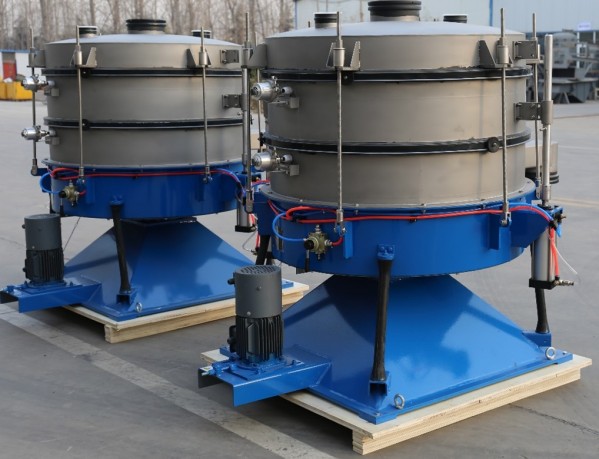
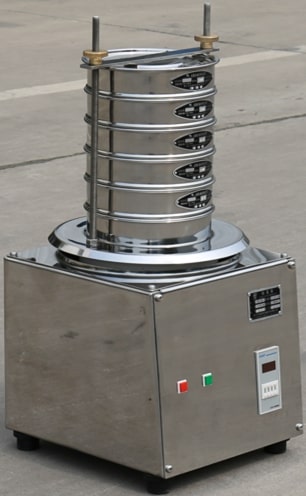
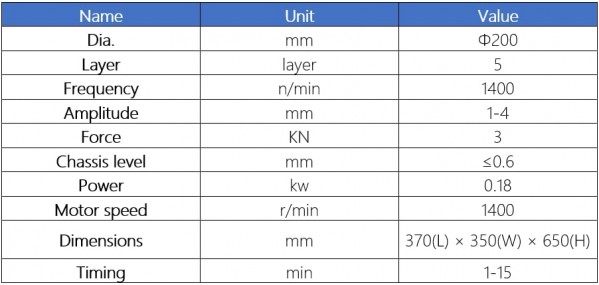
    Standard Test Sieve

    Test Sieves nz

    Operating Principle: Eccentric weights mounted at the top and bottom of the motor shaft convert the motor's rotary motion into a combined horizontal, vertical, and inclined three-dimensional motion, which is transferred to the screen surface. This causes material on the screen to tumble, rotate, and bounce. Paired with a standard sieve frame, the unit can measure particle-size distribution, liquid solids content, and impurity levels in granular and powder materials via vibration screening and filtration.

    Features:

    • Suited to testing irregular particle-size distributions and grading super-hard materials in production
    • Widely used in geological, chemical, cement, pharmaceutical, defence, and other research and production laboratories
    • Compact, lightweight, smooth, and quiet, with no vibration, no noise, a sealed housing, no dust, and high efficiency
    • Available in 220V and 380V motor options to suit different environments; can be installed as a mobile, multi-layer 3D stack for safe, flexible, continuous operation
    • High screening accuracy with reliable, repeatable results across a range of particle shapes and distributions; includes an electronic timer for self-controlled test accuracy
    • Can be paired with an ultrasonic screening system for automatic screen cleaning, improving both efficiency and detection accuracy


    Screenshot_2022-09-16_111902.jpg


    Mixers

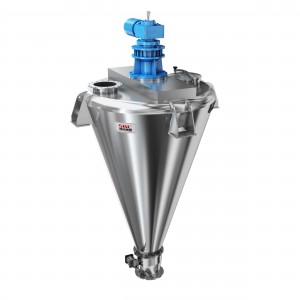
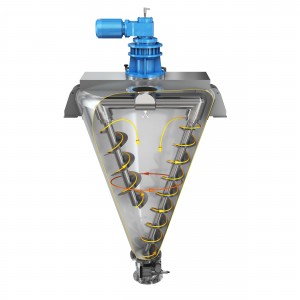
    Conical Screw Mixer

    Conical Screw Mixer nz

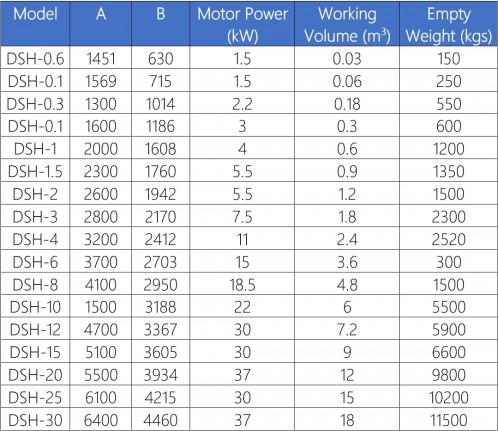
    Conical Screw Mixer Model Diagram

    Also known as a Nauta mixer, this unit consists of a conical vessel, a top drive unit, and a screw agitator. The screw lifts material in a spiral upward flow, while an orbiting arm sweeps material away from the vessel wall and redirects it toward the centre. Because the mixing screw is suspended from this orbital arm — which rotates along the conical inner wall — the result is gentle convective mixing with minimal shear and heat generation, and no product distortion. Its large batch capacity and simple design suit a wide range of industries, and it is particularly well suited to delicate products and processes requiring high accuracy, handling batches of up to 50,000 litres with gentle, thorough mixing.

    Features:

    • Gentle mixing with minimal heat generation, suited to free-flowing material
    • Large batch capacity
    • Optional CIP cleaning
    • Liquid injection at the top via the reducer shaft
    • Optional heating/cooling jacket and vacuum drying
    • Complete discharge

    Applications: Dry powder; dry powder with liquid additives; slurry; pastes

    DSH_Stats.jpg


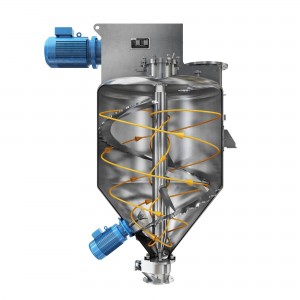
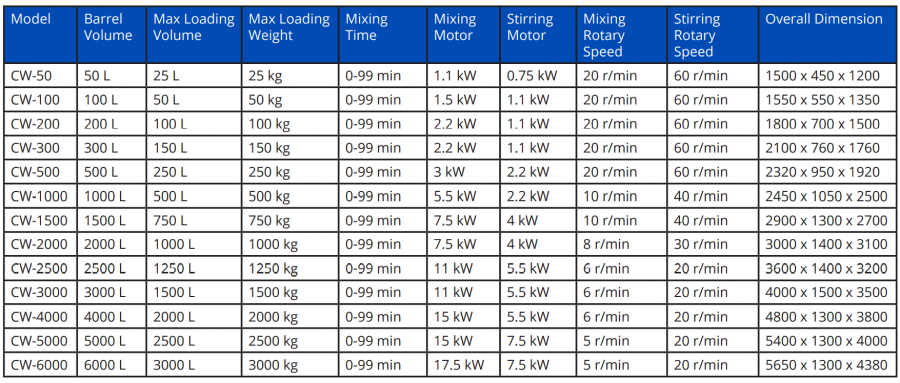
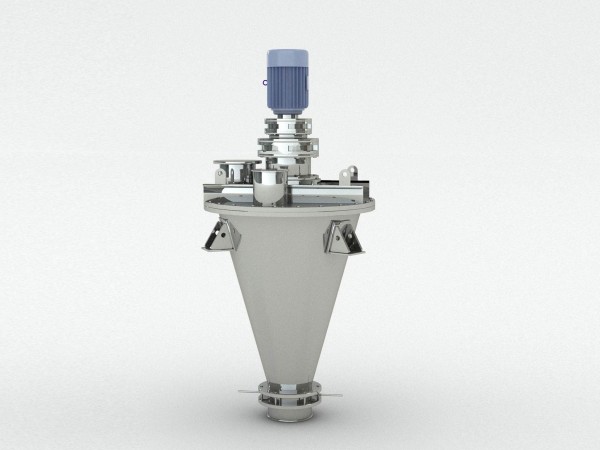
    Vertical Ribbon Mixer

    Food grade Vertical Ribbon Mixer nz

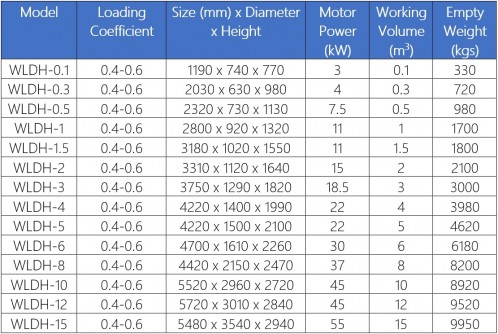
    This Vertical Ribbon Mixer consists of a cone and vertical shape vessel body, a drive unit, helical blades and a chopper. The mixing blade is designed for three-dimensional movement of materials to create a helical upward material flow along the periphery of the vessel and a gravity-driven downward flow in the centre, for optimum mixing quality. During this continuous operation, material particles and heat are exchanged quickly, which leads to a homogeneous product. The material particles are also mixed with minimal mechanical and thermal stress, which makes this type of mixer a good solution for fragile and heat-sensitive product. The Vertical Blender delivers excellent mixing homogeneity, even across a wide mixing ratio, with complete discharge and no dead space. Multiple functions can also be achieved to perform uniform, fast and contamination-free dry powder mixing, drying, evaporation, heat treatment, reactions, cooling or dosing of active ingredients in a single unit.

    Features:
    • Compact helical ribbon structure without any mixing dead space
    • High-speed chopper for de-agglomeration requirement
    • No lubrication leaking risk
    • GMP design with FDA certificate for non-metal parts of the mixer
    • Simple maintenance
    • CIP cleaning
    • Optional heating/cooling jacket and vacuum design
    • Complete discharge
    Applications:
    • Dry powder
    • Dry powder with liquid additives
    • Slurry
    • Paste
    • Viscous fluids

    WLDH_Stats.jpg


    Twin Shaft Paddle Mixer

    Stainless Steel Twin Shaft Paddle Mixer NZStainless Steel Double Shaft Paddle Mixer nz

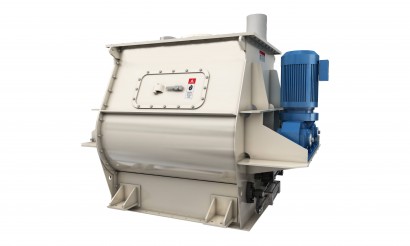
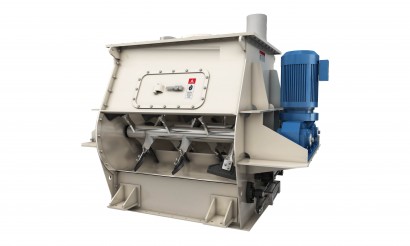
    This mixer consists of a W-shaped vessel, a drive unit, and two counter-rotating paddle shafts. As the shafts turn against each other, the paddles move material both axially and radially through a fluidised zone, lifting it against gravity before letting it fall to create thorough cross-mixing. This achieves excellent homogeneity in a short time, and a full-bottom discharge valve empties nearly all material. Liquids can be sprayed in from the top and blended with the powder quickly, and the design handles heat-sensitive and fragile materials well.

    Features:

    • Excellent mixing homogeneity, achieved quickly
    • Abrasion-resistant, heavy-duty design for abrasive materials
    • Large discharge valve minimises residue
    • Top-mounted high-speed lump breaker for de-agglomeration
    • Available in batch or continuous configurations

    Applications: Dry powder; dry powder with liquid additives

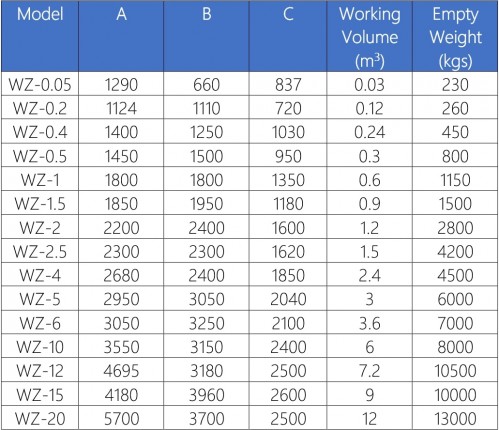
    WZ_Stats.jpg


    Horizontal Double Helix Ribbon Mixer

    Horizontal Double Helix Ribbon Mixer nz

    Stainless Steel Double Helix Ribbon Mixer nz

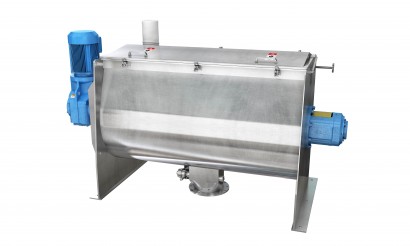
    This mixer consists of a horizontal U-shaped vessel, a drive system, and a double-helix ribbon agitator. The outer ribbon moves material toward the centre while the inner ribbon moves it outward, producing both radial and lateral movement before discharge through a central valve. It is an efficient, versatile blender for dry granules and powders, mixing a wide range of materials gently — particularly food products — and can be fitted with a high-speed chopper to break up lumps during blending.

    Features:

    • Compact helical ribbon design with no mixing dead space
    • High-speed chopper for de-agglomeration
    • No lubrication leak risk
    • GMP design, with FDA-certified non-metal parts
    • Simple maintenance
    • CIP cleaning
    • Optional heating/cooling jacket and vacuum
    • Complete discharge

    Applications: Dry powder/solid particles; dry powder with minor liquid additives via spray bar; slurry

    Horizontal Double Helix Ribbon Mixer nz


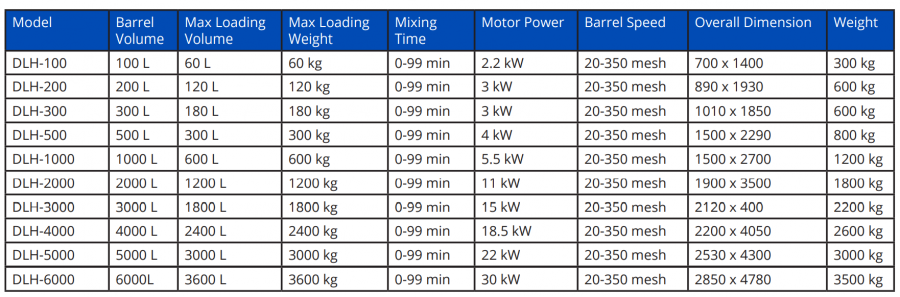
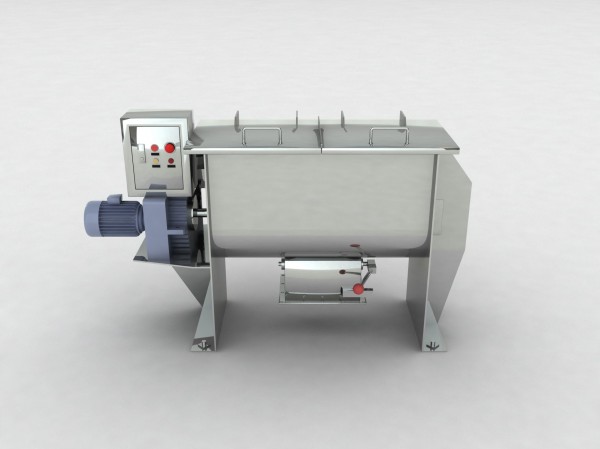
    Ploughshare Mixer

    Stainless Steel Ploughshare Mixer nz

    Stainless Steel Single Shaft mixer nz diagram

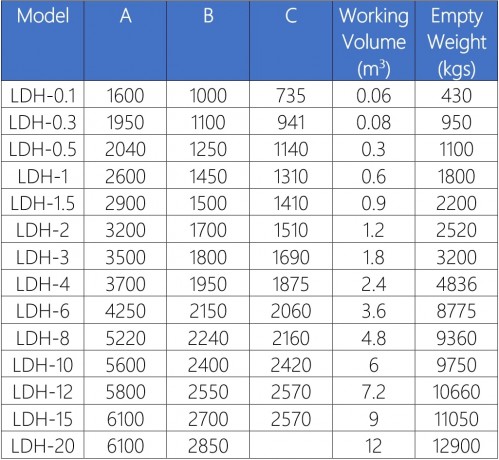
    This mixer consists of a horizontal cylindrical drum, plough-shaped shovel agitators, a drive unit, and a chopper. The mixing action creates a mechanically fluidised bed, hurling material away from the vessel wall into free space in a crisscross pattern before it falls back again. This constant motion ensures maximum mixing intensity even at high feed rates and short residence times, and allows liquid additions. It delivers extremely high performance for a wide range of mixing needs, reaching ideal homogeneity quickly, and can also handle drying, coating, and reaction processes within the same machine. Batch and continuous configurations are both available for higher-capacity requirements.

    LDH_Stats_.jpg


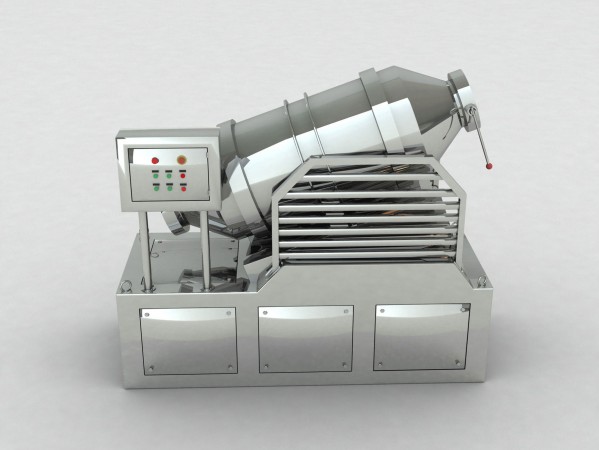
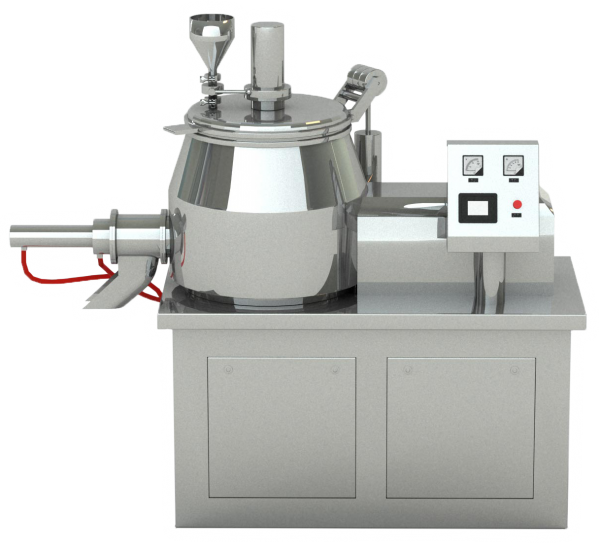
    2D Motion Mixer

    2D motion mixer nz

    Application: Suited to mixing dry powders and granules in the pharmaceutical and chemical industries, especially materials with high moisture content and a wide particle-size distribution.

    Operating Principle: The mixing unit is a plain cylindrical drum with no internal devices. It rotates on a trunnion wheel arrangement, with drum position adjustable as needed.

    Screenshot_127.png


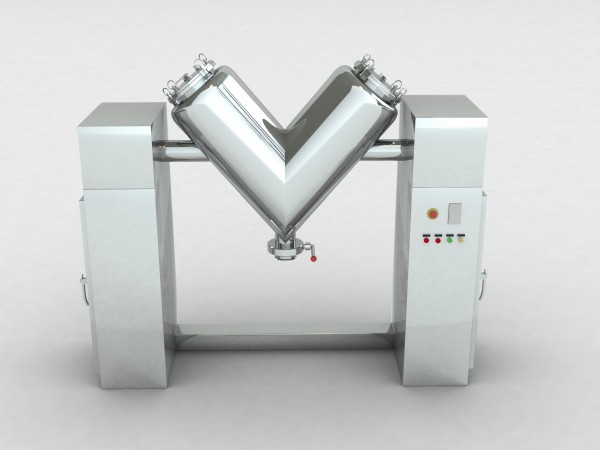
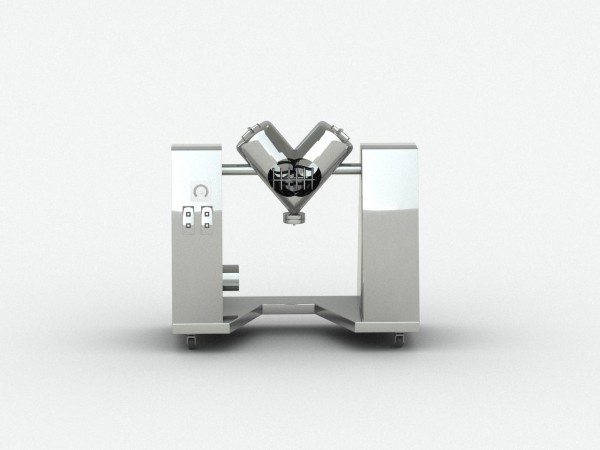
    Energy Efficient V-shaped MixerIndustrial V blender nz

    Application: Used to mix dry powders and granules in the pharmaceutical, food, chemical, and other industries.

    Operating Principle: Material is loaded through the top hatches of the rotating V-shaped mixing assembly, where rotation drives a back-and-forth mixing action inside the chamber. Discharge is via a butterfly valve at the outlet.


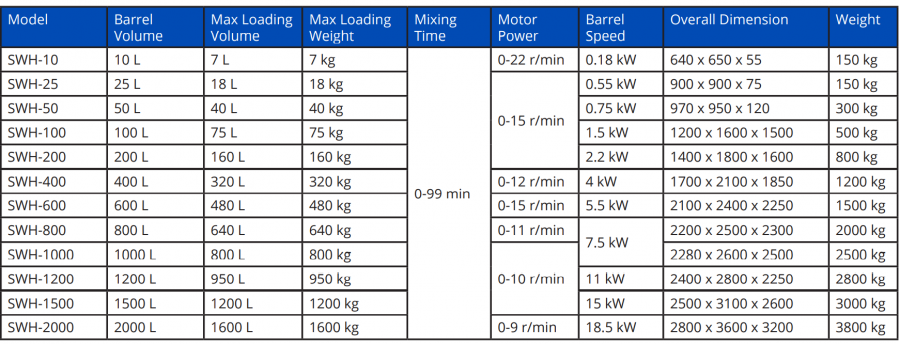
    Commercial V Blender NZ stats


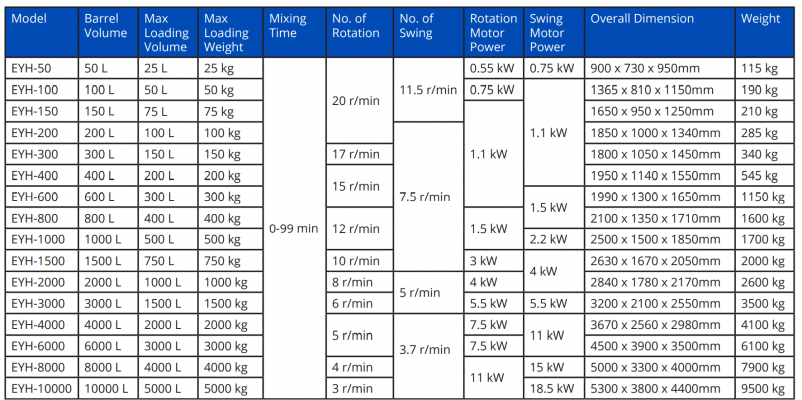
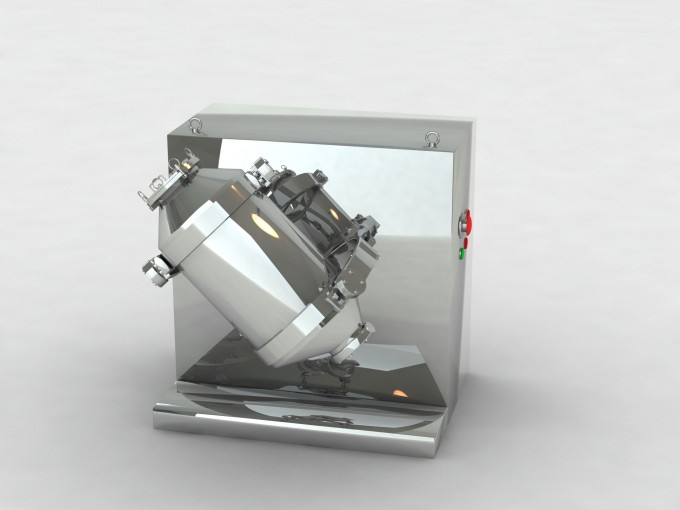
    Multi-directional 3D Motion Mixer3D motion mixer nz

    Application: Suited to mixing powders and granules in the pharmaceutical, chemical, food, lighting, electronics, mining, metallurgy, and scientific research industries.

    Operating Principle: A base-mounted drive shaft, rotary connection assembly, and barrel unit work together to move the material barrel through a complex combination of horizontal, vertical, and rolling motion, mixing material in three directions for highly uniform results across a wide range of material types. This fully enclosed, energy-efficient mixer avoids centrifugal force during mixing, preventing gravity segregation and layering. It also offers larger loading capacity, shorter mixing time, and high efficiency.


    Multi directional mixer nz stats


    Forced-Type Agitating Mixer

    V shape  mixer blender nz

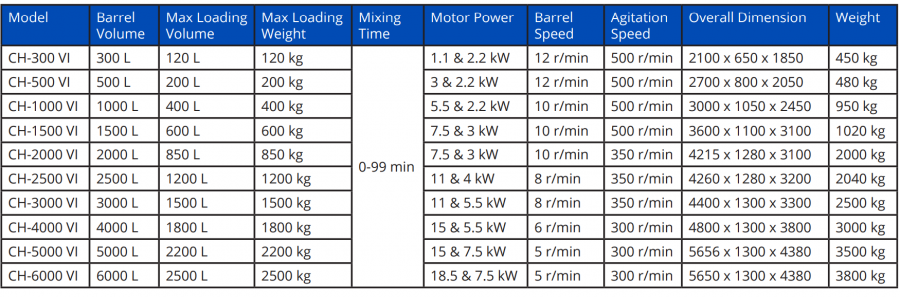
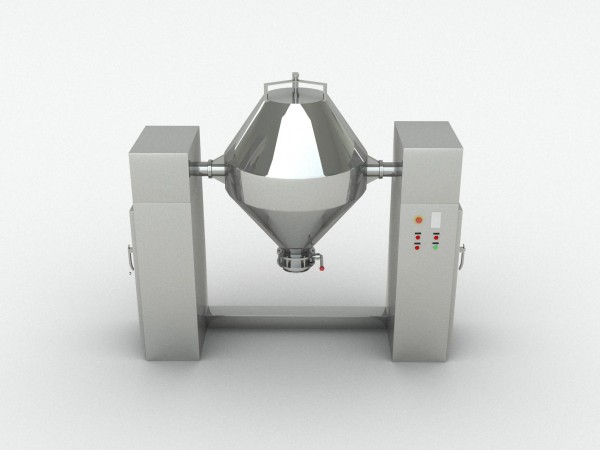
    Application: Built on advanced international mixing technology, the VI-type forced mixer is used in the pharmaceutical, food, and chemical industries, combining the "V" shell shape with an internal agitator.

    Operating Principle: This machine can mix both relatively fine powders and agglomerated materials with higher moisture content. The internal agitator refines and homogenises the material as it's blended within the V-shell.


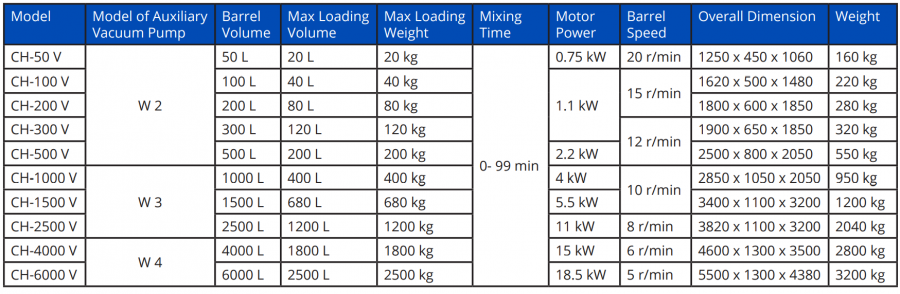
    Twin shell mixer nz stats


    High Speed Double Cone MixerDouble cone mixer nz

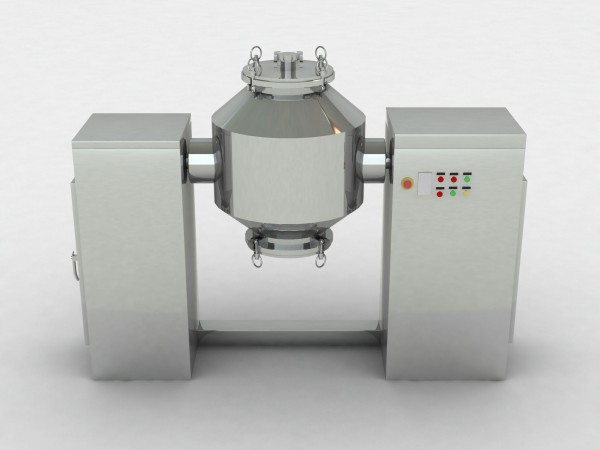
    Application: Suited to blending free-flowing powders and granular products to a consistent specification in short mixing times. Used in the pharmaceutical, food, chemical, and plastics industries.

    Operating Principle: This machine rapidly mixes free-flowing materials and those with some water content, achieving mixing uniformity above 95% at high speed. Built to GMP standards, it's simple to operate and maintain.


    Screenshot_131.png


    Double Cone Mixer with AgitatorDouble cone blender mixer nz

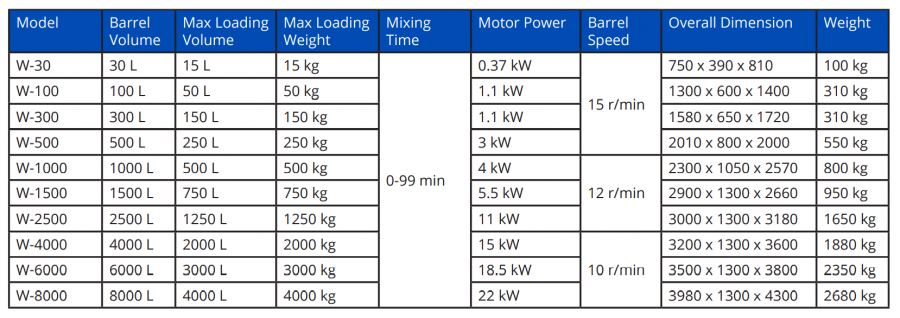
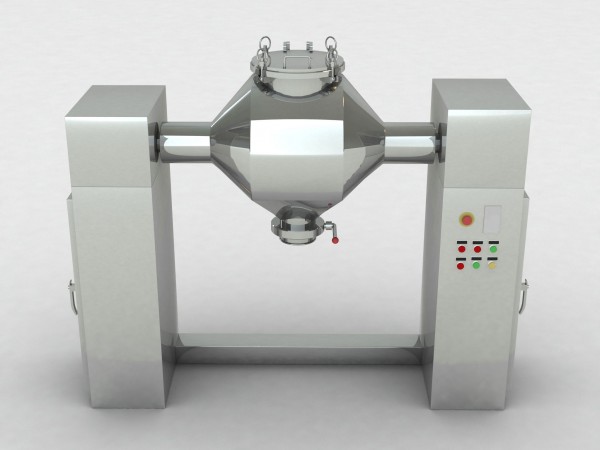
    Application: Built on the W-series double cone mixer with an added stirring unit, optimised for agglomerated and variable-particle-size materials. Used in the pharmaceutical, food, chemical, and related industries.

    Operating Principle: This machine rapidly mixes free-flowing materials and those with some water content, achieving mixing uniformity above 95% at high speed. Built to GMP standards, it's simple to operate and maintain.


    Screenshot_132.png


    Single Screw Nauta MixerConical Screw mixer nz

    Application: A new, high-precision, high-efficiency mixer widely used for powder or paste materials in the pharmaceutical and feed industries.

    Operating Principle: The machine combines a single screw with S-shaped blades, giving a large mixing area, high mixing speed, and no dead zones. It's particularly well suited to mixing materials with very different specific weights and mixing characteristics. Built in stainless steel to GMP standards.


    Screenshot_133.png


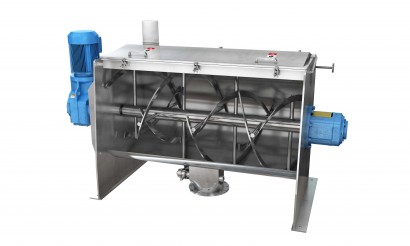
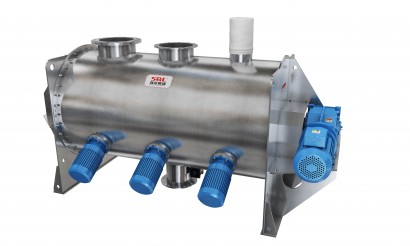
    Horizontal Double Ribbon MixerStainless Horizontal Ribbon Mixer nz

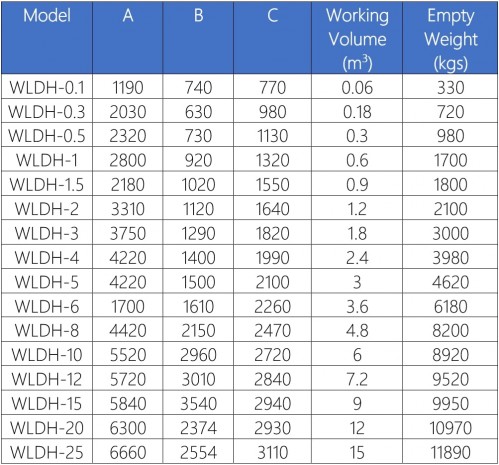
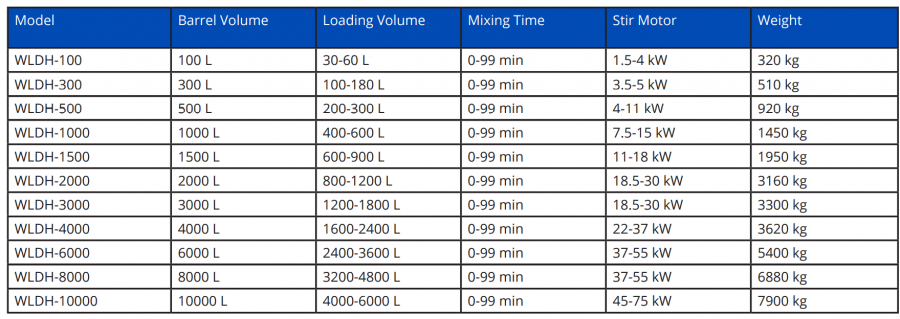
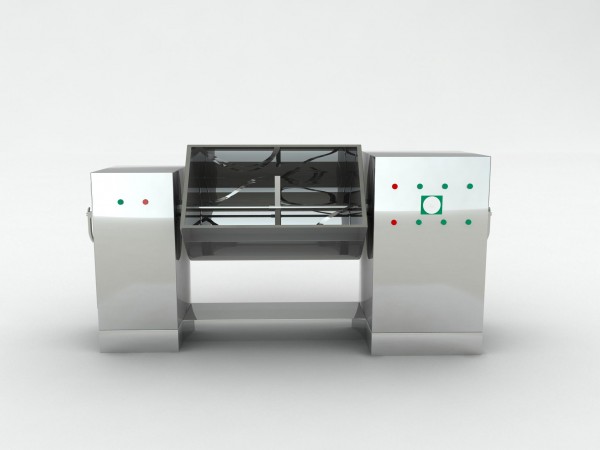
    Application: The WLDH series is a well-proven, high-efficiency horizontal ribbon mixer used for solid-solid (powder) and solid-liquid (powder and fluid) mixing in the chemical, pharmaceutical, and food industries.

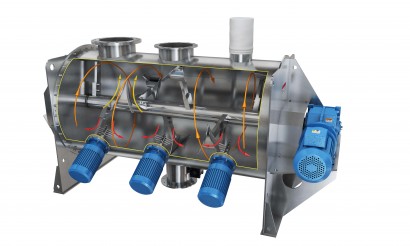
    Operating Principle: The WLDH mixer consists of a mixing barrel, a two-layer spiral ribbon, and a drive assembly — the inner ribbon moves material outward while the outer ribbon moves it inward, creating efficient internal circulation that mixes material quickly. Built in stainless steel to GMP standards.


    Screenshot_134.png


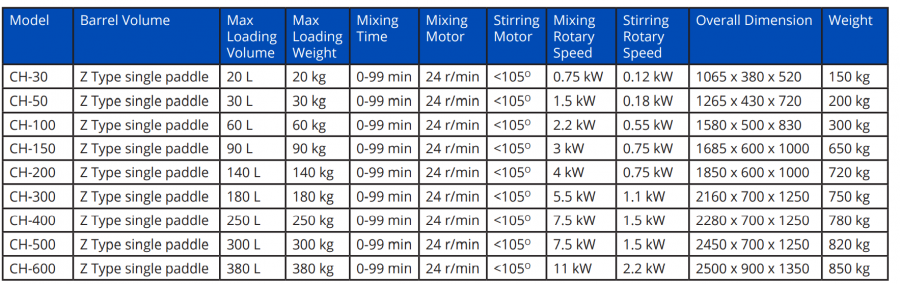
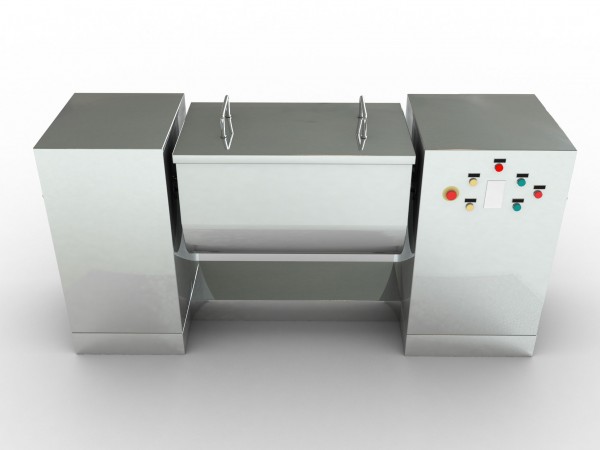
    Horizontal Single “Z” Arm Type MixerHorizontal z arm mixer nz

    Application: This stainless steel horizontal "Z"-arm mixer is widely used for powder or paste materials in the pharmaceutical, chemical, and food industries.

    Operating Principle: A mechanically driven "Z"-shaped paddle repeatedly turns the material for uniform mixing. Electrical controls allow automatic stopping at a set mixing time, and electric discharge improves consistency batch to batch for a highly homogeneous finished blend. All contact parts are stainless steel, and the machine tilts forward for discharge.


    Screenshot_135.png


    Horizontal Double “Z” Arm MixerDouble z arm mixer nz

    Application: This horizontal double "Z"-arm mixer is widely used in the pharmaceutical, chemical, and food industries for powder or paste materials, particularly those with high viscosity and density.

    Operating Principle: The double "Z"-shaped paddles combine bulk movement, smearing, stretching, folding, dividing, and recombining as material is pulled and pressed against the blades, saddle, and side walls, with blade pitch designed for end-to-end circulation. All contact parts are stainless steel, the machine tilts forward for discharge, and automated operation features are included.


    Grain Tech double z arm blender mixer stats


    Granulators

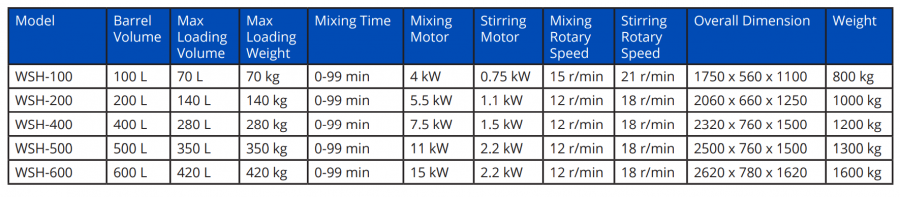
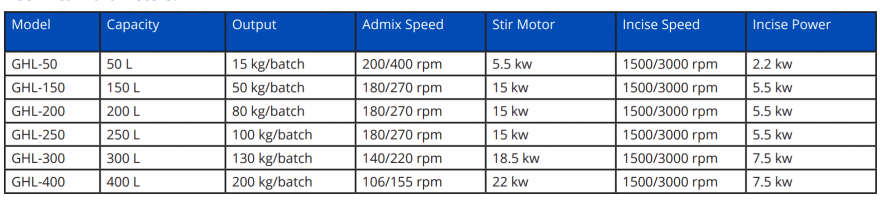
    Multi-purpose High-Speed Mixing GranulatorLaboratory high shear mixing granulator nz

    Application: The GHL high-speed mixing granulator efficiently converts various powder materials into granules in a single process. Widely used in the pharmaceutical, food, and chemical industries.

    Operating Principle: Powder and adhesive blend within the mixing chamber before passing through a high-speed cutting assembly that forms uniform granules.

    Features:

    1. Horizontal mixing structure for optimum efficiency
    2. Air purge seals on the drive shaft for secure, leak-proof operation
    3. Fluidisation during granulation improves flow and reduces drying time
    4. Roughly 25% less binder required compared with traditional processes
    5. Dry mixing takes about 2 minutes and granulating 1–4 minutes — 4–5 times faster than traditional methods
    6. Dry mixing, liquid addition, and granulation all run to GMP standards
    7. Built-in safety and protective measures throughout
    8. Mixing and cutting speeds are frequency-controlled to regulate granule size

    .

    Screenshot_137.png


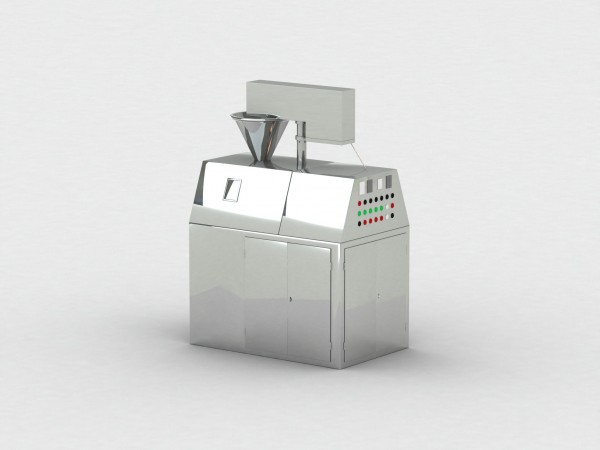
    Pharmaceutical Grade Dry GranulatorLaboratory powder granulator nz

    Application: A new-generation unit that uses the crystallised water within the material itself to pelletise powder into granules. Its advanced, stable, reliable design is easy to maintain and clean. The resulting granules can be pressed into tablets or capsules, and the machine is mainly used for granulation in the pharmaceutical, chemical, and food industries — particularly for materials unsuited to wet granulation.


    Screenshot_138.png


    Reciprocating GranulatorOscillating granulator nz

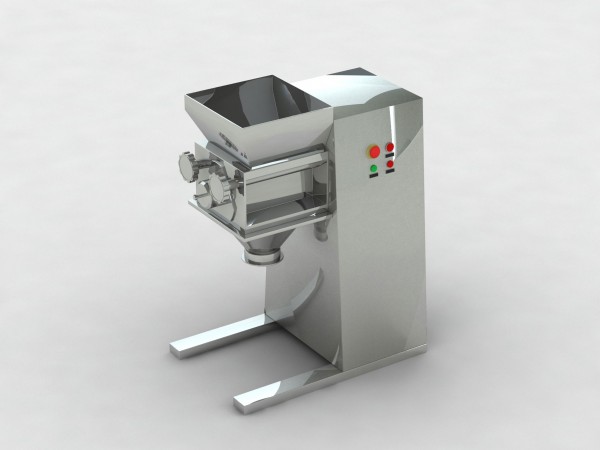
    Application: Widely used in the pharmaceutical, chemical, and food industries to produce granules of various sizes from agglomerated or lumpy materials. Ideal for preparing block and lump product for further blending, mixing, or dissolving. Built in food-grade stainless steel.

    Operating Principle: The reciprocating arm is fitted with beaters, brushes, or UHMW polyethylene paddles, which agitate material against a fixed, profiled screen that sizes the finished product according to the aperture fitted.


    Screenshot_139.png


    Rotary Blade Granulator Rotating granulator nz

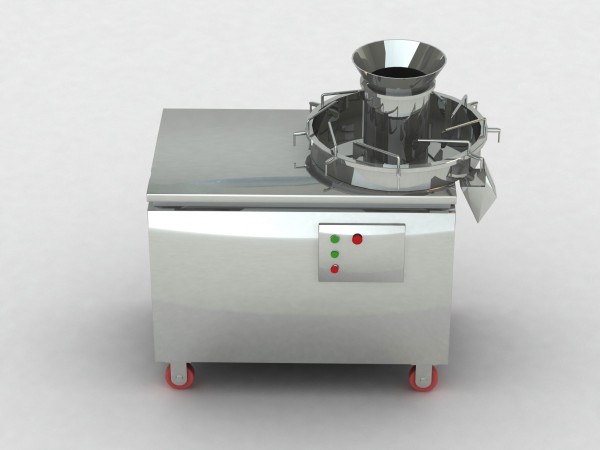
    Application: Ideal for the pharmaceutical, food, feed, chemical, and solid-beverage industries, particularly for high-viscosity materials. It runs continuously to produce an evenly formed, free-flowing granulated product ready for further drying. Simple to set up and operate, with stainless steel contact parts and hygienic features for easy cleaning.


    Screenshot_140.png


    High Speed Conical Granulator/MillStainless steel high speed granulator nz

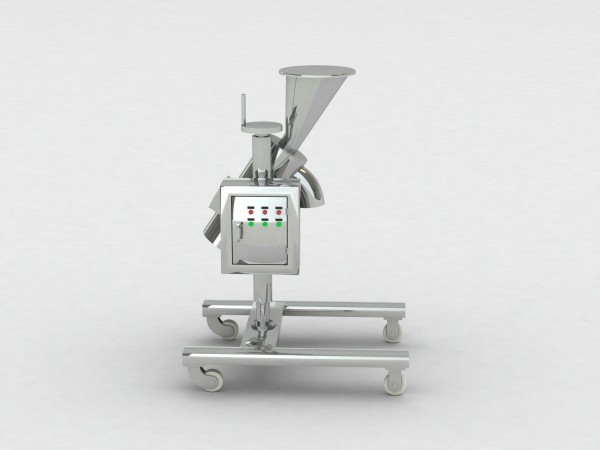
    Application: Widely and effectively used in the pharmaceutical, chemical, and food industries. A rotating knife set works against a screen of the required aperture size — particles smaller than the screen pass through to discharge, while larger particles are further reduced. All contact parts are food-grade stainless steel, built to GMP standards.


    Screenshot_141.png

    Dryers

    Double Cone Tumble Vacuum Dryer / Rotary Cone Vacuum DryerDouble cone rotary vacuum dryer nz

    Application: Mainly used for drying and mixing materials in the pharmaceutical and food industries.

    Operating Principle: This machine dries and mixes heat-sensitive, easily oxidised, and non-crystalline materials effectively, and is also suited to solvent recovery and drying strongly irritating or toxic materials. Fast drying, uniform results, and a hygienic design that avoids contamination combine with easy cleaning and simple maintenance.


    Screenshot_142.png


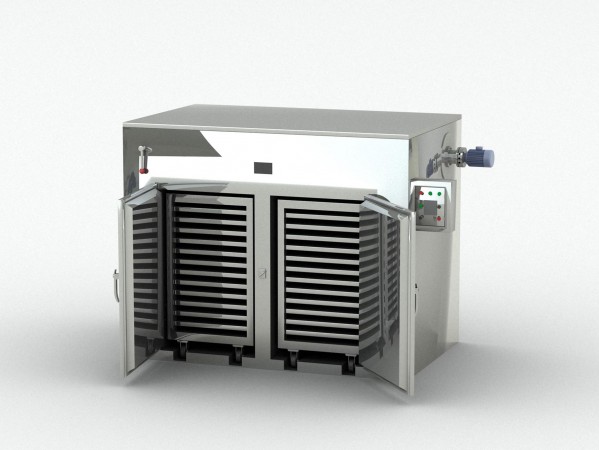
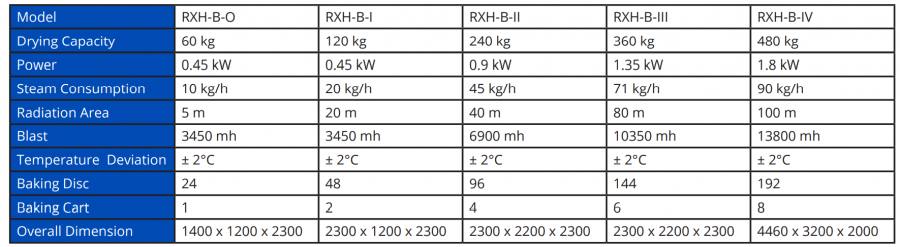
    Two-door Tray Drying Oven / Industrial Food DehydratorHot air circulating dryer nz

    Application: The RXH series dries and dehumidifies materials in the pharmaceutical, chemical, food, and light and heavy industrial sectors, including raw and processed medicines, alternative medicine tablets, powders, granules, pigments, dyestuffs, dried vegetables, food, plastic resin, electrical components, and baking finishes.


    Screenshot_143.png


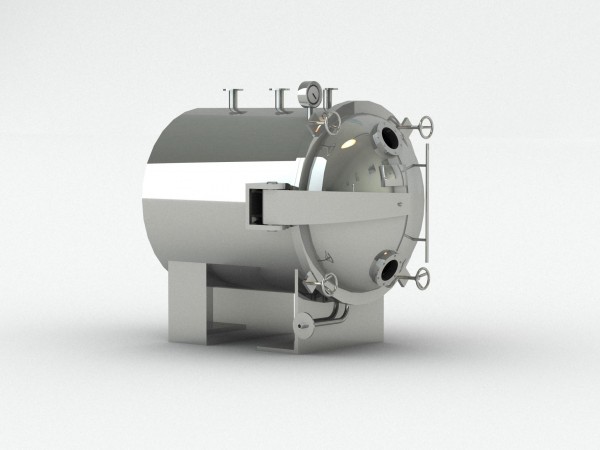
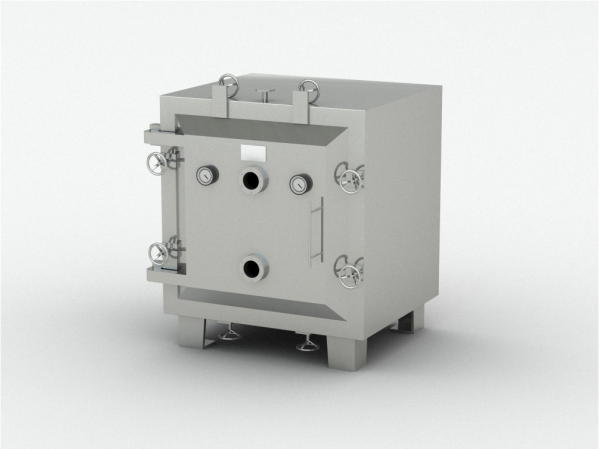
    Cylindrical static vacuum dryer nzStatic Vacuum Dryer (Square & Round Types)

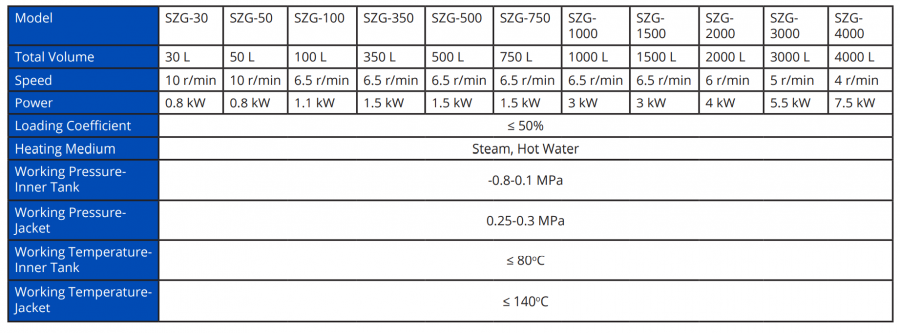
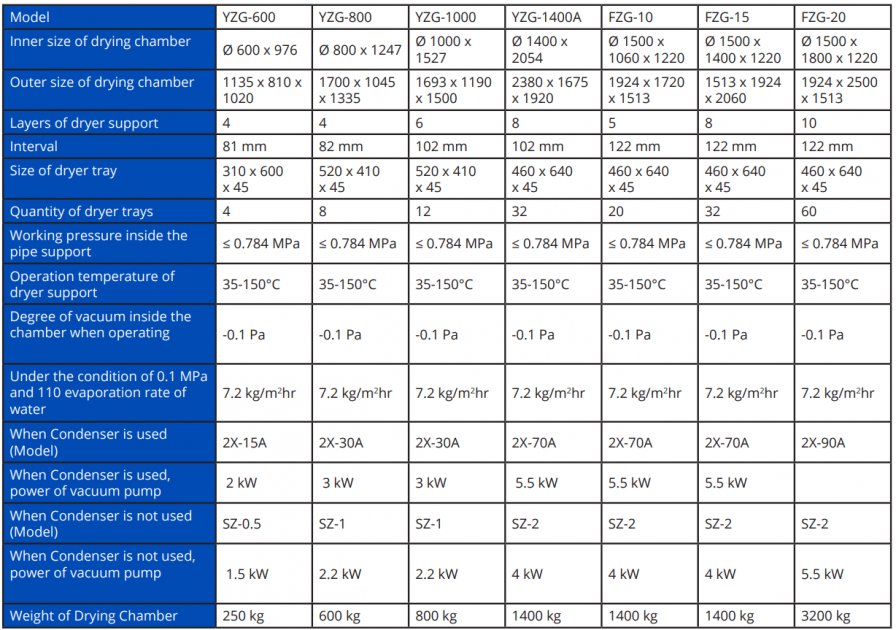
    Application: Delivers high-efficiency tray drying by combining heat and vacuum to optimise heat transfer across a wide range of reasonably free-flowing materials. Applying vacuum to the drying chamber ensures even drying throughout. Vacuum dryers fall into two types — static and dynamic. The round (YZG) and square (FZG) models are static dryers, while the double-cone rotating dryer (SZG) is a dynamic dryer. In static dryers, material remains still and holds its shape during drying.

    In the rotary SZG double-cone dryer, continuous agitation shortens drying time and exposes material more evenly to heat and vacuum; under vacuum, the material's boiling point drops, making these dryers well suited to unstable or heat-sensitive materials. The vacuum dryer also retains gases well, making it suitable for drying materials containing strong or toxic gases and for solvent recovery. Widely used in the pharmaceutical, chemical, food, and dyestuff industries, and built to GMP standards.

    Note: An SZ water-ring vacuum pump can be paired with a mechanical pressure pump to boost the vacuum level.

    Square static industrial vacuum dryer


    1. Choose the dryer type based on the material's physical properties, initial and final moisture content, required temperature, vacuum level, drying volume, and drying time. All models are available with steam, hot water, heat-conduction oil, or electric heating. Additional drying layers can be added to increase output.

    2. Auxiliary equipment for the vacuum system is detailed in the user manual and can be supplied and installed at the factory — please specify requirements when ordering. 

    3. Custom designs, manufacturing, and installation are available on request


    Screenshot_144.png


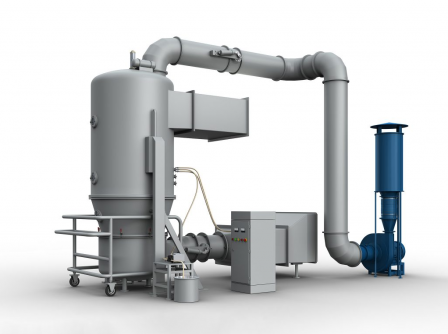
    Energy Efficient Fluidised Bed Dryer

    Fluidised bed powder dryer nz

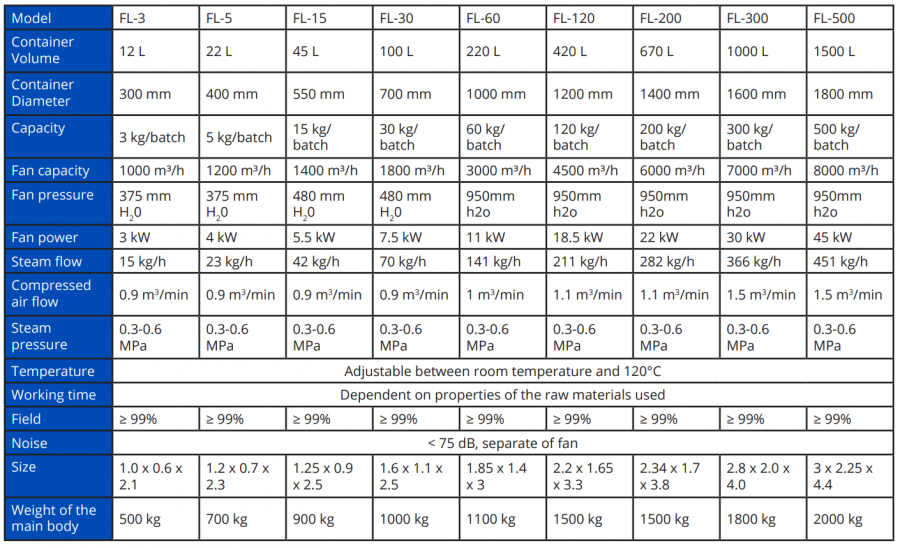
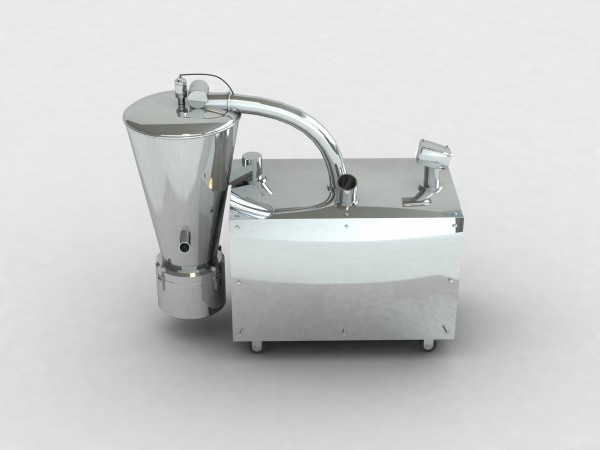
    Application: Used for drying granular materials up to 0.16 mm in particle size, suited to quick drying of wet granules, powders, finished products, and intermediates in the pharmaceutical, food, light industrial, and chemical processing sectors.

    Operating Principle: Air passes through a purification cabinet and heater, then flows at high speed up through perforated decks. Material reaches a fluidised state as the heated air carries away moisture. Evaporated air passes through filters to atmosphere in this batch process, with full automation for consistent, repeatable results.


    Vibrating fluidised bed dryer nz

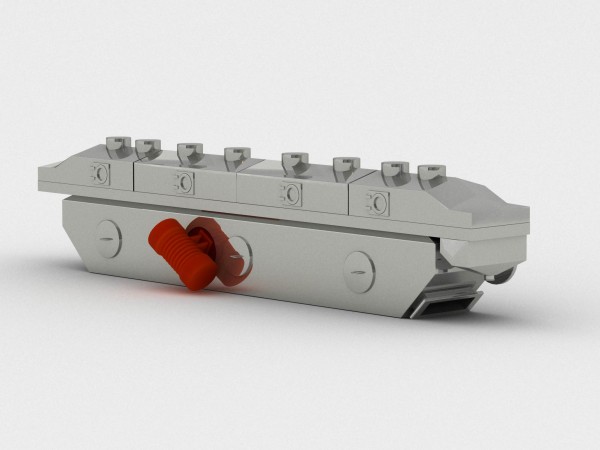
    Vibratory Fluidised Bed Dryer

    Specifications:

    1. Available in a wide range of sizes and capacities
    2. Contact parts built to GMP standards in food-grade stainless steel
    3. Fully ISO-approved
    4. Available as a complete turnkey installation with ancillary equipment, or as a standalone unit for replacement/upgrade needs

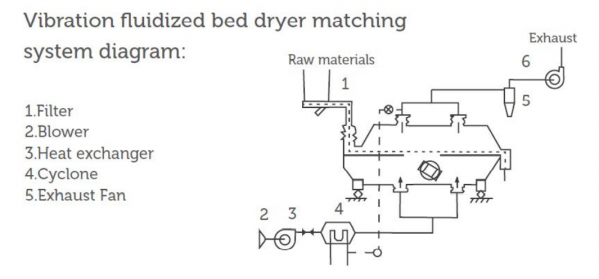
    Application: Suited to a wide range of free-flowing food, industrial, chemical, and agricultural products that can be fluidised. Raw material enters at the head end via a feeding device suited to its flow characteristics, then moves continuously along the horizontal fluidised bed under combined vibration and air pressure. Hot air passes through the bed, evaporating moisture, which is carried to a filter, collector, or optional cyclone separator (or a combination of both). The dried product discharges for further screening or cooling as required.

    Features: Hot air can be supplied directly from a gas furnace or indirectly via a heat exchanger (steam-to-air, hot water-to-air, furnace gas heating, etc.). Material heats evenly across the full bed surface, and drying capacity is high — typically around 30% more energy-efficient than alternative dryer types. Two counterbalanced vibratory motors drive the deck's vibration, giving stable, adjustable, quiet, low-maintenance operation. The material bed stays stable with no dead spots, and can be fine-tuned via air flow, vibration amplitude, and bed tilt angle; a variable-speed controller on the motors allows further adjustment of flow rate and dwell time. Product degradation is minimal, making this dryer well suited to friable materials and products with varying particle size or density. The unit is fully enclosed, releasing no dust or process air to atmosphere.

    Operating Principle: Suitable for drying, drying-and-cooling, or cooling-only applications, and can be supplied with supporting process equipment for uses including:

    • Pharmaceutical/chemical: pressed tablets and granules, boric acid, borax, dihydroxybenzene, malic acid, urea, etc.
    • Food: breakfast cereals, monosodium glutamate, sugar, salt, grains, pulses, processing residues, etc.
    • Agrochemical: drilled seed drying, fertiliser granulation drying/cooling, residue processing, etc.


    Vibratory Fluidised Bed Dryer System Diagram


    Screenshot_147.png


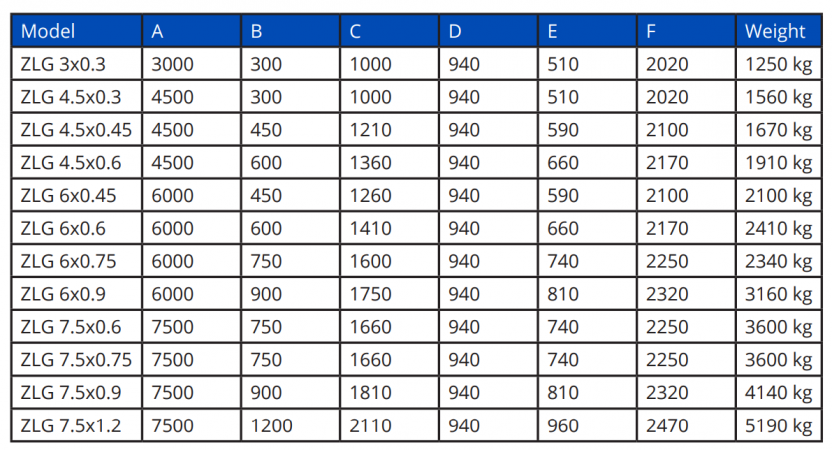
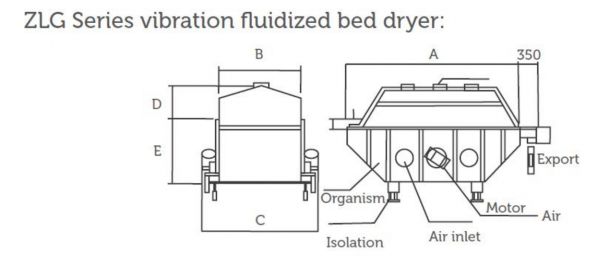
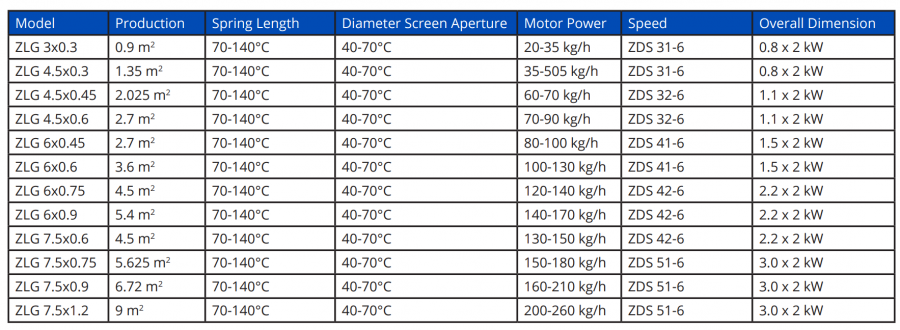
    ZLG vibratory fluidized bed dryer diagram


    Screenshot_149.png


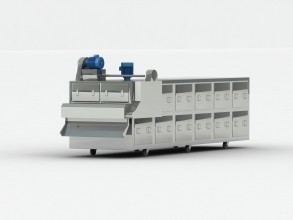
    Belt Dryer

    Belt dryer nz

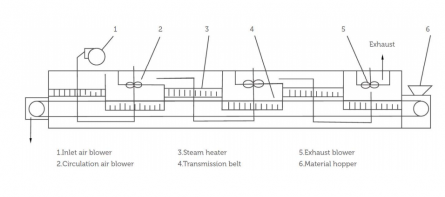
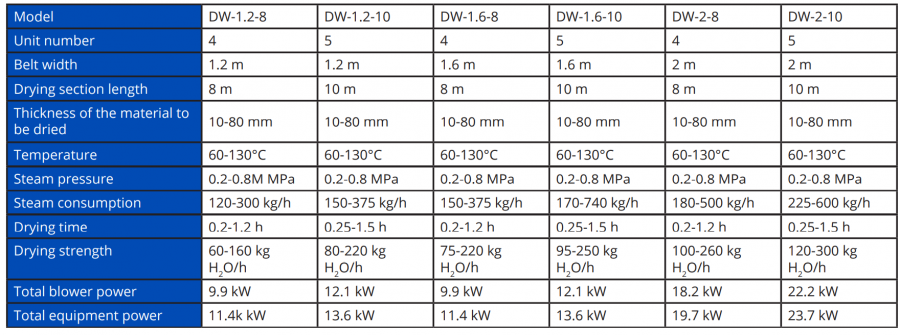
    Belt dryer nz technical diagram


    Application: Suited to drying materials across a wide range of applications, including pharmaceutical, chemical, food, gum, electronics, dewatered vegetables, particle feed, gourmet powders, shredded coconut, stuffing, organic colour compounds, rubber, acrylic fibre, medicinal products, small wood products, plastics, and ageing/solidifying electronic components.

    Features: A spreader distributes material evenly onto a mesh belt (typically 12–60 mesh stainless steel wire), which a transmission unit draws through the dryer. The dryer comprises several units; hot air circulates separately, with some exhaust discharged via a dedicated moisture-elimination blower, and waste gas regulated by an adjustment valve. Hot air passes through the material-covered mesh belt from top to bottom or bottom to top, completing heat and mass transfer. The dried product then drops continuously into a collector. Upper and lower circulation units can be configured to match specific drying requirements.

    Operating Principle: Widely used for drying agglomerated, strip, pelleted, flaked, extruded, and similar materials, and especially suited to high-moisture, loose materials with good ventilation — such as dewatered vegetables and herbal leaf materials — where high temperatures aren't appropriate. Drying is fast, evaporation strength is high, and product quality is good. It also handles dewatered filter cake, similar paste materials, and high-fibre products well. Built to GMP standards with automated control.


    Screenshot_151.png


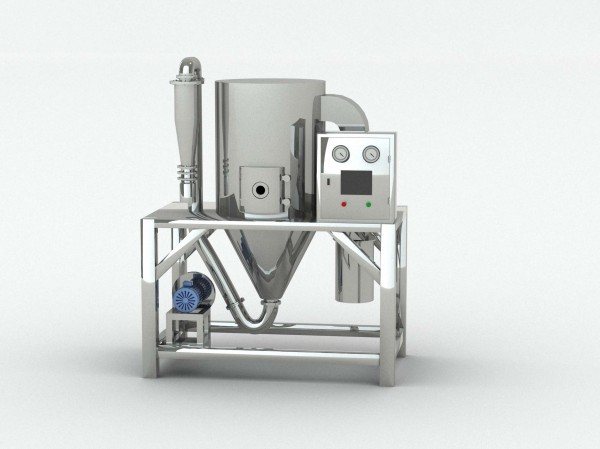
    High-Speed Centrifuge Atomising Dryer

    High speed centrifuge atomising dryer nz

    Specifications:

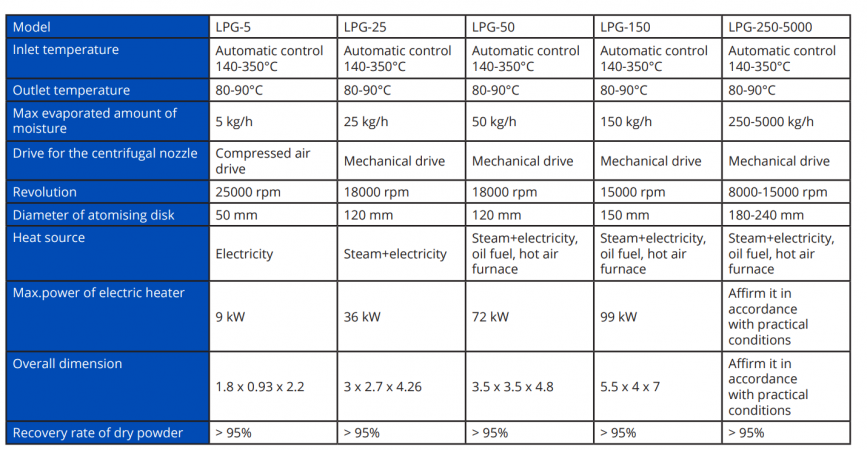
    1. Available in five sizes/capacities
    2. Contact parts built to GMP standards in high-grade stainless steel
    3. Fully ISO-approved
    4. Suited to drying emulsions, suspensions, and other liquid materials

    Application: The LPG series is a specialised dryer for emulsions, suspensions, and emulsified liquids, offering distinct advantages when drying polymers, resins, dyestuffs, pigments, ceramics, gloss compounds, de-rusting agents, pesticides, carbohydrates, dairy products, detergents, surfactants, fertilisers, and organic and inorganic compounds.

    Features: Drying takes just 5–15 seconds, making it well suited to heat-sensitive raw materials, and ideal for drying coloured, fine, or delicate-appearance materials. The machine runs stably with convenient controls, suited to continuous operation, and the finished product's distribution, flowability, and solubility meet international standards.

    Operating Principle: Hot air (direct or indirect heat, filtered) enters the top of the drying chamber tangentially. At the same time, a centrifugal atomiser pumps and filters the liquid material, forming atomised droplets at the top of the chamber. As the droplets meet the hot air, surface moisture evaporates rapidly. The dried material is drawn down into the receiving hopper for discharge to a cyclone separator, while moisture-laden air exits through the exhaust system.


    Screenshot_152.png


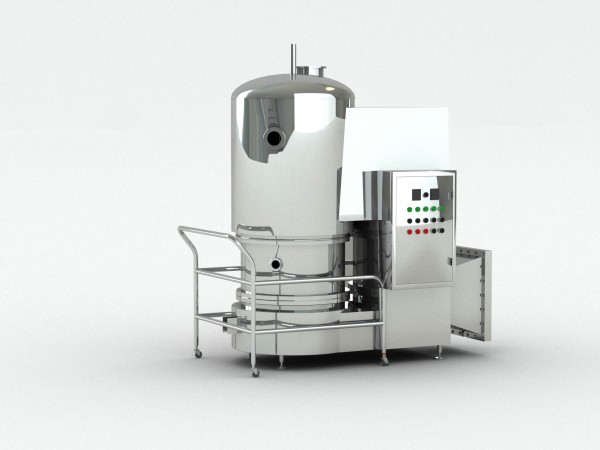
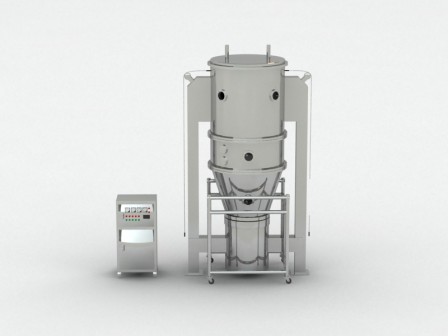
    Fluidised Granulating Dryer

    Fluidised granulating dryer nz Fluidized Granulating Grain Feed Drier nz

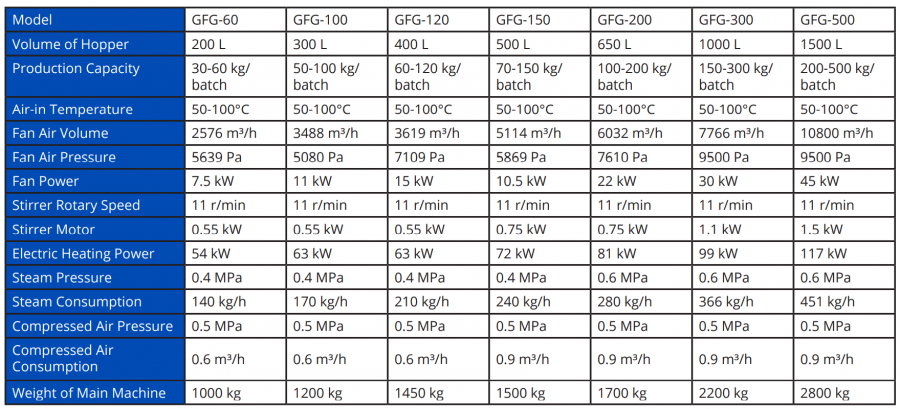
    Features: Mixing, granulating, and drying complete in a single, fully sealed process with no dust emissions. Anti-static filter media adds safety, and explosion-relief features are built in. All contact surfaces are rounded for easy cleaning, with sight-glass inspection ports fitted, and loading/unloading is straightforward.

    Operating Principle: Solution droplets granulate as they fluidise on contact with hot air in the spray chamber. Clean heated air enters the lower spraying area and rises to meet the sprayed liquid; rapid moisture evaporation from the droplets forms granules that remain suspended in a fluidised state. Moisture-laden air discharges to atmosphere through a filter, while the formed granules collect in a removable, sealed hopper. The result is an even particle size in continuous operation. All contact parts are stainless steel, built to GMP standards, with automated process control for setting parameters to specific requirements.


    Screenshot_153.png


    Conveyors

    Vacuum ConveyorIndustrial vacuum conveyor nz Screenshot_154.png

    Features: A heavy-duty industrial conveyor ideal for transferring powder and granular materials directly into mixers and other processing equipment. It reduces dust emissions and is GMP-certified, and is widely used in the pharmaceutical, food, feed, chemical, and plastics industries for general material handling.

    Operating Principle: The vacuum conveyor consists of a vacuum unit (oil-free, water-free), feeding tube, PE filter, vacuum hopper, automatic control device, pneumatic discharge device, and compressed-air pulsing unit. It runs quietly and efficiently, with large capacity, low noise, and high reliability — ideal for transferring powders and granules to mixers, packers, reactors, and other processing equipment.


    Powder Pulverising Machines

    WF Series Platform-type Dust Collecting Fine Crusher Set

    Food grade pulverizer nz

    Application: Used in the pharmaceutical, chemical, and food industries, this new-generation unit combines crushing and dust collection in one machine.

    Operating Principle: A high-speed hammer crusher. A conveyor feeds material into the crushing chamber through a hopper, where high-speed rotating hammers crush it. Centrifugal force carries the crushed material into the catcher automatically, while a pulse-controlled air cylinder shakes the catcher so collected dust falls into the bin. Built to GMP standards in stainless steel throughout, this machine produces no flying dust during operation, improves material utilisation, and reduces operating costs.


    Screenshot_2021-04-28_114238.png


    DS Series Dust Collecting High Efficient Crushing Set

    Fine powder pulveriser with Dust Collection nz

    Application: Delivers optimum crushing results with excellent throughput across a diverse range of products in the pharmaceutical, chemical, and food industries.

    Operating Principle: The high-speed rotor reverses easily, allowing products to be crushed via either the cutting side or the impact side depending on the desired result. It's especially suited to hard, crystalline, or fibrous products, with screens and rasps interchangeable to suit different materials. A seamless housing prevents product build-up and simplifies servicing and cleaning.

    Features: Simple in structure, and easy to assemble and clean. All material-contact parts are stainless steel, offering acid and corrosion resistance and meeting hygiene requirements. The machine also runs smoothly, moves easily, and offers low noise, strong crushing performance, and low power consumption.


    Screenshot_2021-04-28_121411.png


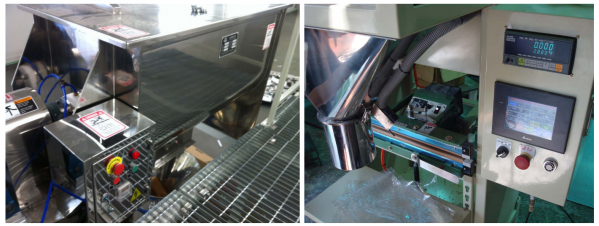
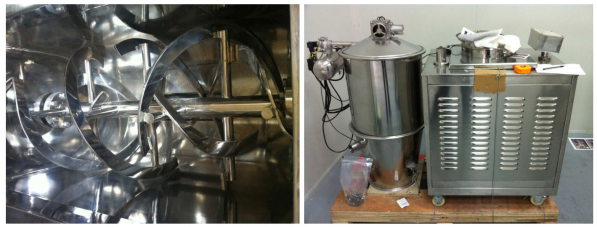
    Some of Our Machines in Action

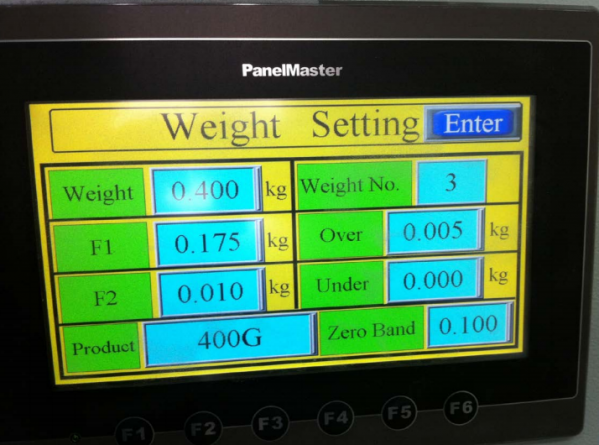
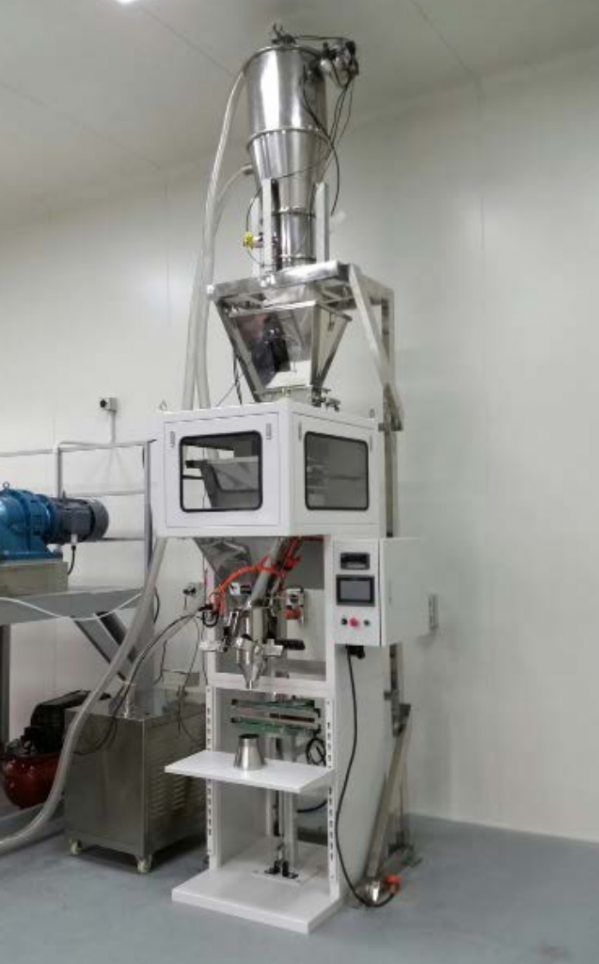
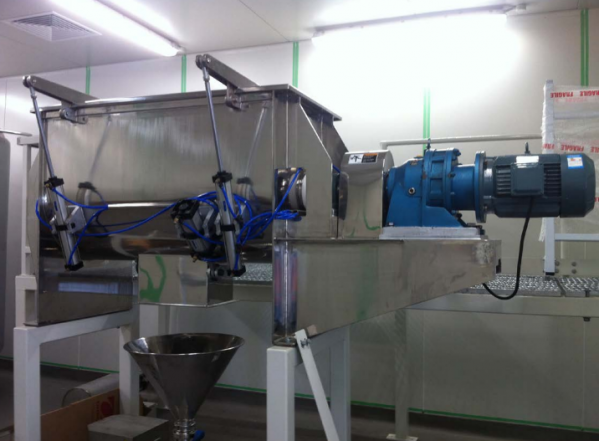
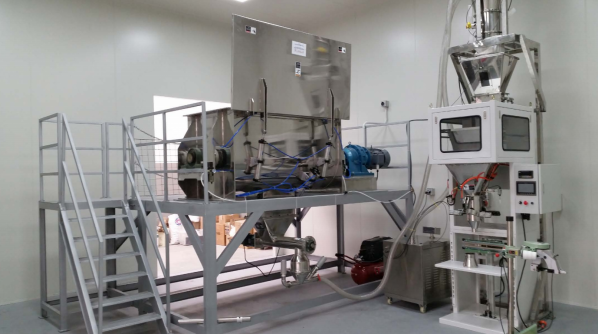
    Complete Food and Chemical Processing Design example nzComplete Food and Chemical Processing Design close upsComplete Food and Chemical Processing Design close ups 2Grain Processing Machine Control Panel Example nzFood and Chemical Processing Design example nz 2Food Processing Design up close nzScreenshot_161.png